
BLOG
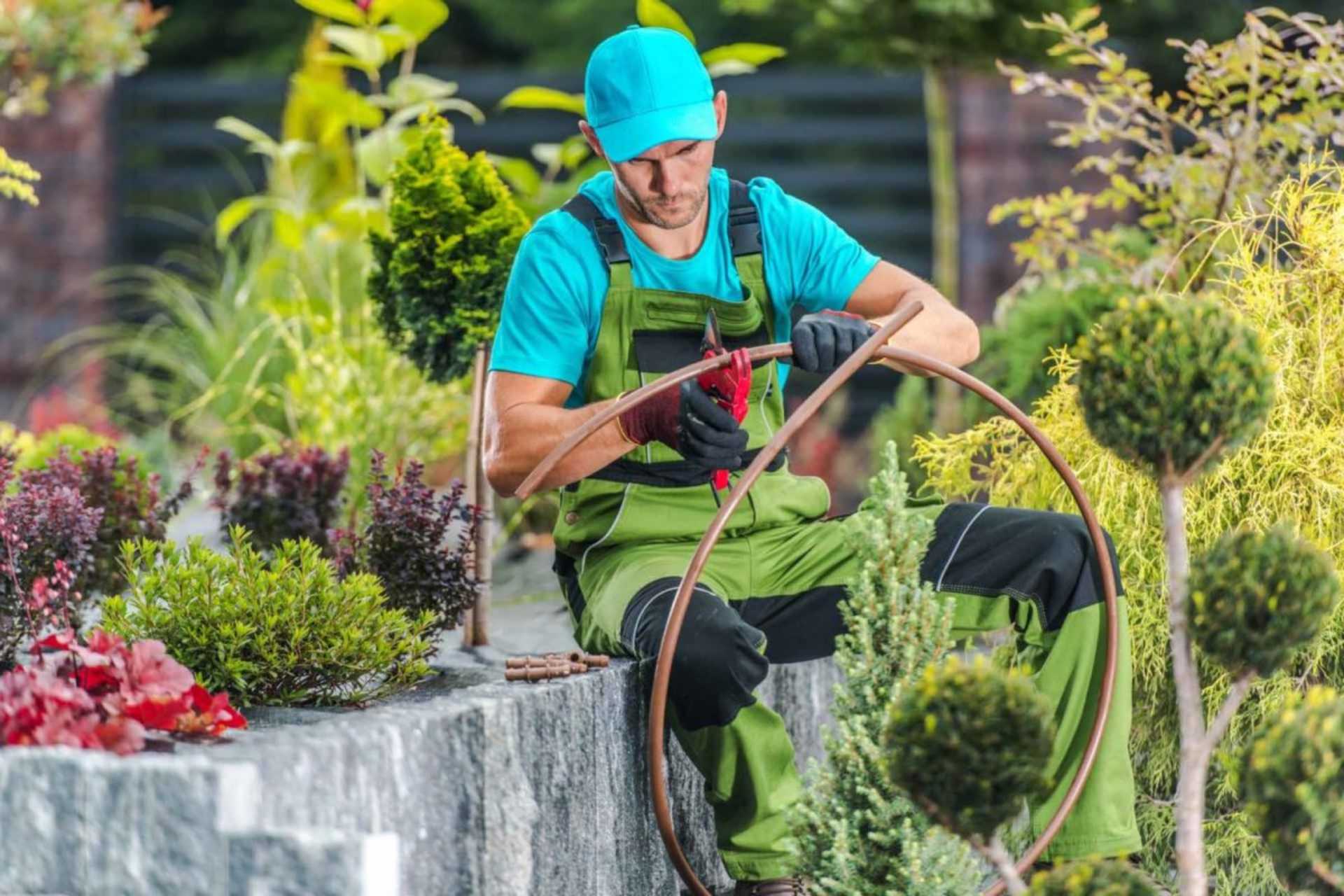
Short answer: winterizing a sprinkler system typically costs 60–120 per visit, or about $7–12 per zone in most areas. Pros dramatically lower freeze risk, but no one can guarantee absolute freeze protection because weather swings and hidden system issues happen. Reputable companies back their workmanship and will return if a line wasn’t properly cleared. What you’ll learn from this blog Real-world pricing: total and average cost per zone Whether professionals can guarantee freeze protection (and what they do guarantee) What affects your winterization cost What a proper sprinkler blowout includes, [...]
Short answer: yes—DIY winterization can affect warranties, but it depends on the brand and installer terms. Many manufacturer and labor warranties require professional service, proof of maintenance, and approved parts. If you winterize yourself and something fails, a claim can be denied. Still, some warranties allow DIY if you follow documented procedures and keep records. What you’ll learn from this blog Which warranties are most affected by DIY winterization What the fine print usually requires to keep coverage How to DIY without accidentally voiding your warranty Documentation and proof insurers and [...]
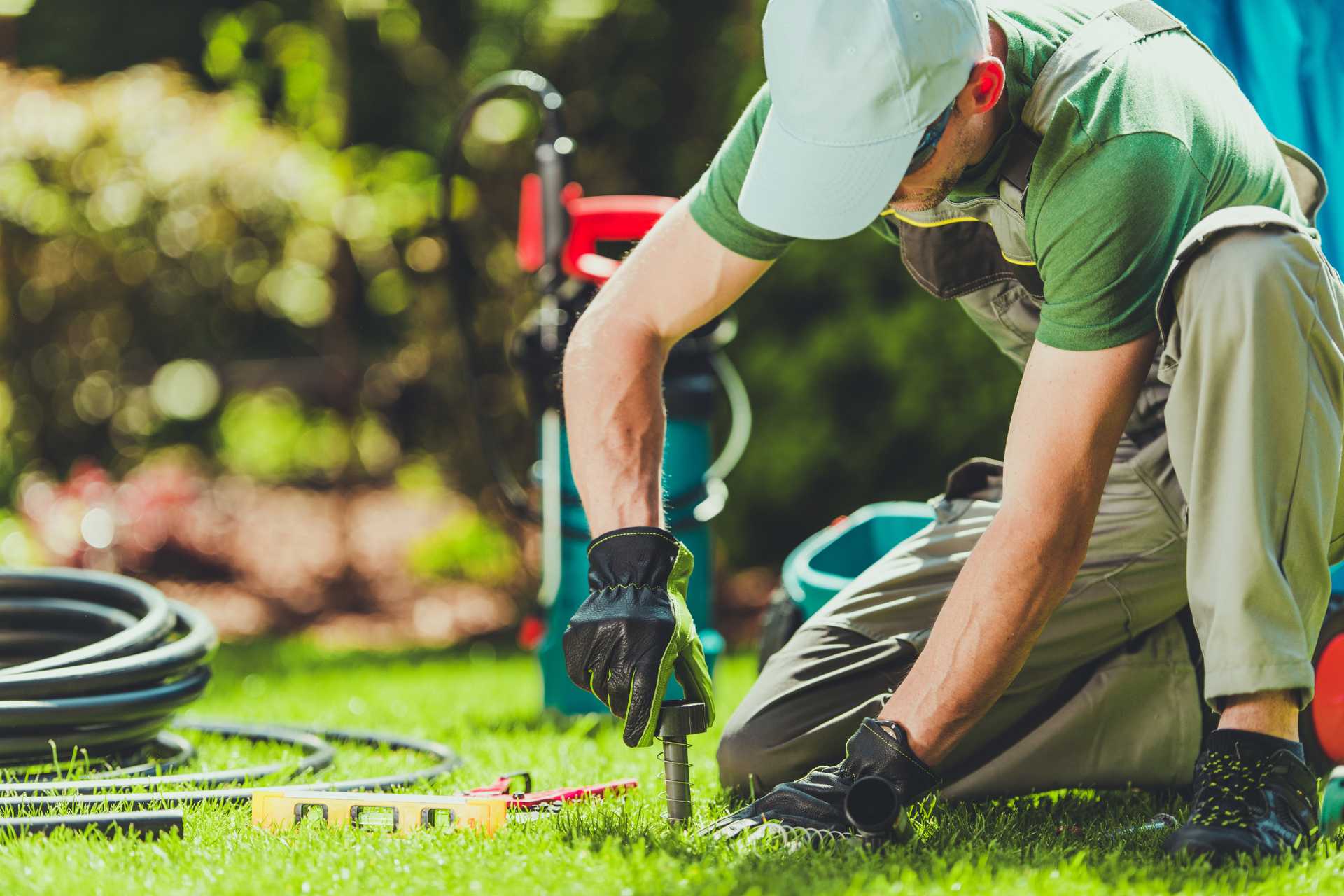
If you’re preparing your home, lawn, or irrigation system for winter, choosing the right winterization service provider can save you costly spring repairs. A reliable professional ensures pipes don’t freeze, sprinkler lines are cleared, and outdoor systems are properly protected. Here’s how to find, vet, and test a trustworthy winterization expert before signing a seasonal contract. What You’ll Learn from This Blog How to quickly check a winterization company’s credentials The exact questions to ask before hiring A simple way to compare quotes without confusion Red flags to avoid when [...]
DIY winterization can save money and give you control over your lawn’s prep for cold weather, but it comes with risks. You might miss water in sprinkler lines, mis-time fertilizer, or overlook hose bibs—leading to burst pipes, lawn stress, or safety issues. If you’re careful and equipped, it’s doable; if not, hiring helps. What you’ll learn from this blog Real-world pros and cons of DIY winterization for lawns and sprinklers Cost comparisons vs. hiring a pro (and hidden pitfalls) Timing tips to avoid freeze damage Tools and safety basics that [...]
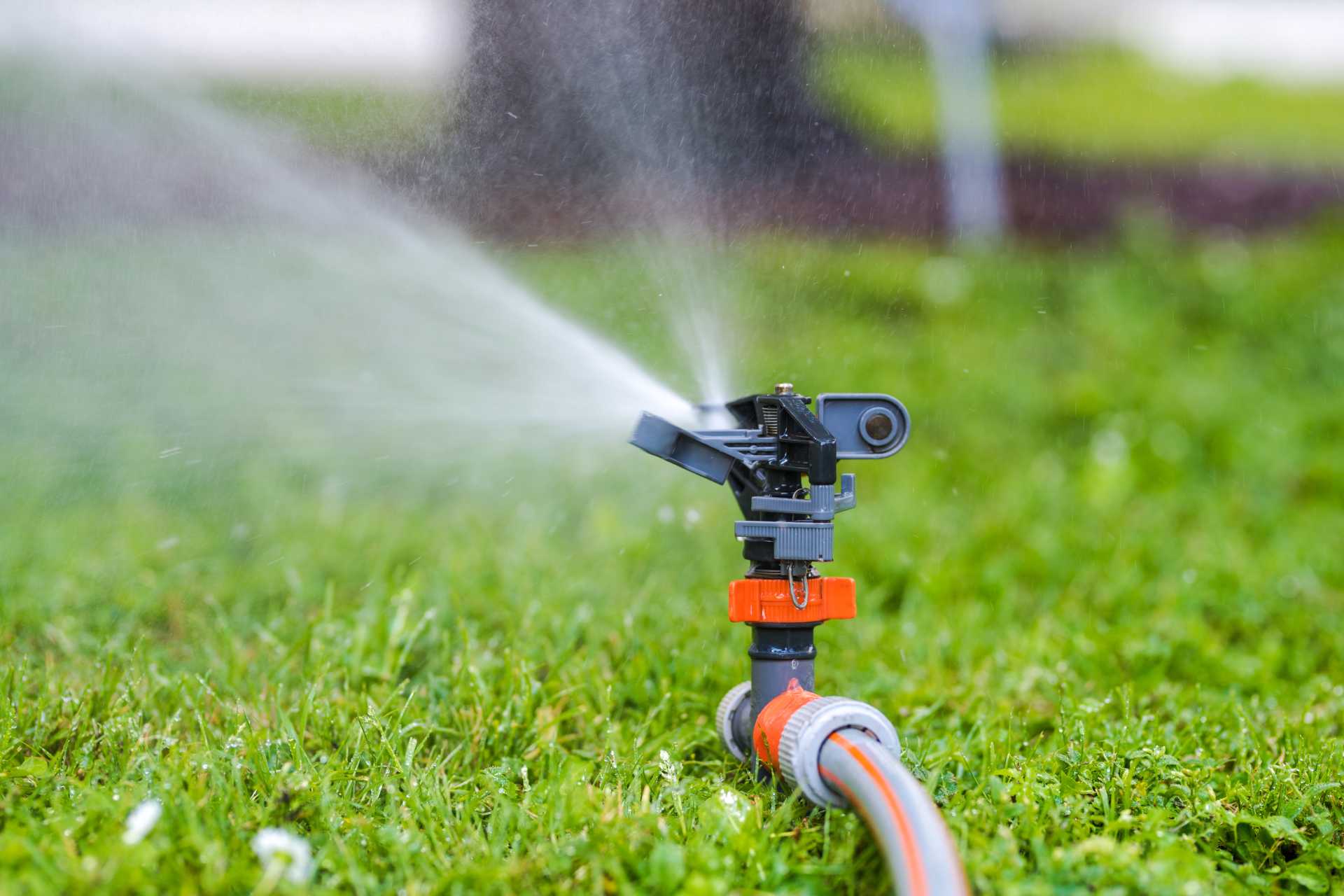
In most cold climates, March is late for winterizing a sprinkler system. If you skipped it, damage may have already occurred, but a late-season blowout can still help if freezes linger. DIY works if you’ve got the right compressor and know-how; otherwise, hire a pro. Expect 60–150 for professional winterization. What you’ll learn from this blog What to do in March if your sprinklers weren’t winterized DIY vs professional winterization: gear, risks, and when to call in help Real-world costs for sprinkler winterization and common repairs Quick FAQs on timing, [...]
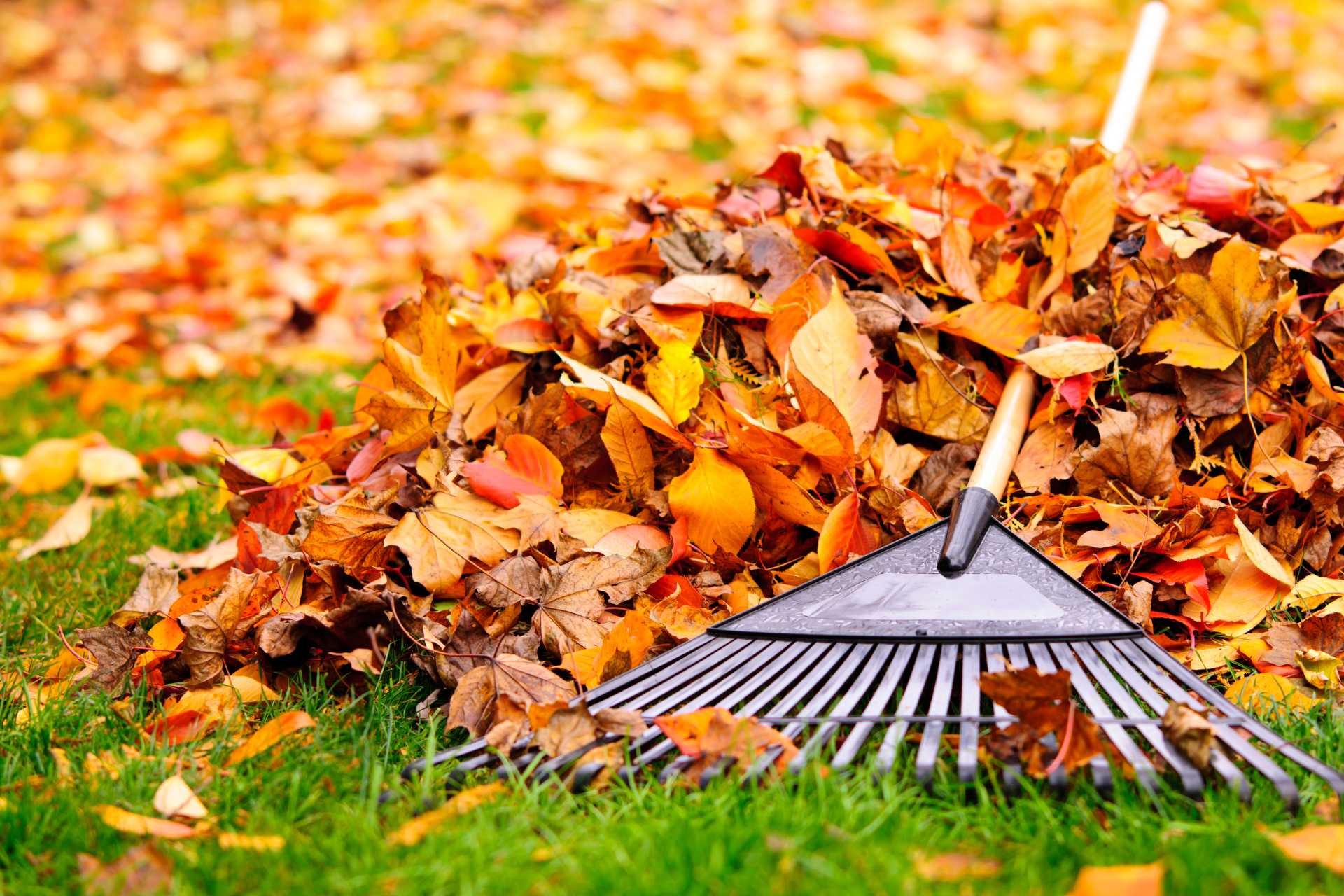
Yes—and no. You can wait until December for some lawn tasks, but others really shouldn’t be delayed. Before you flip the calendar, winterize sprinklers, do your last clean mow, and manage leaves. In December, focus on dormant seeding (cool-season lawns), soil testing, tool tune-ups, and light winter watering in dry spells. Timing depends on your climate. What you’ll learn from this blog What to finish before December so you don’t regret it later Which lawn jobs work well in December (and which ones flop) A quick regional guide for cool [...]