
Yes—start the winterization process before the first frost. Aim to complete the big items 2–4 weeks ahead: feed with a winterizer fertilizer, clear leaves, lower your last mow, and blow out sprinklers before a hard freeze. A light frost won’t ruin your lawn, but leaving prep too late can. Here’s the simple plan.
What you’ll learn from this blog
- The best timeline to winterize before the first frost
- The difference between a first frost and a hard freeze (and why it matters)
- A step-by-step winterizing checklist for homeowners
- How to adjust for cool-season vs. warm-season lawns
- What to do if you missed the window
Start Here: The 2–4 Week Timeline That Just Works
If you’re wondering, ‘When should I winterize my lawn?’ the sweet spot is two to four weeks before your area’s average first frost — but your local climate plays a big role in that timing. Learn how local climate affects when to start.
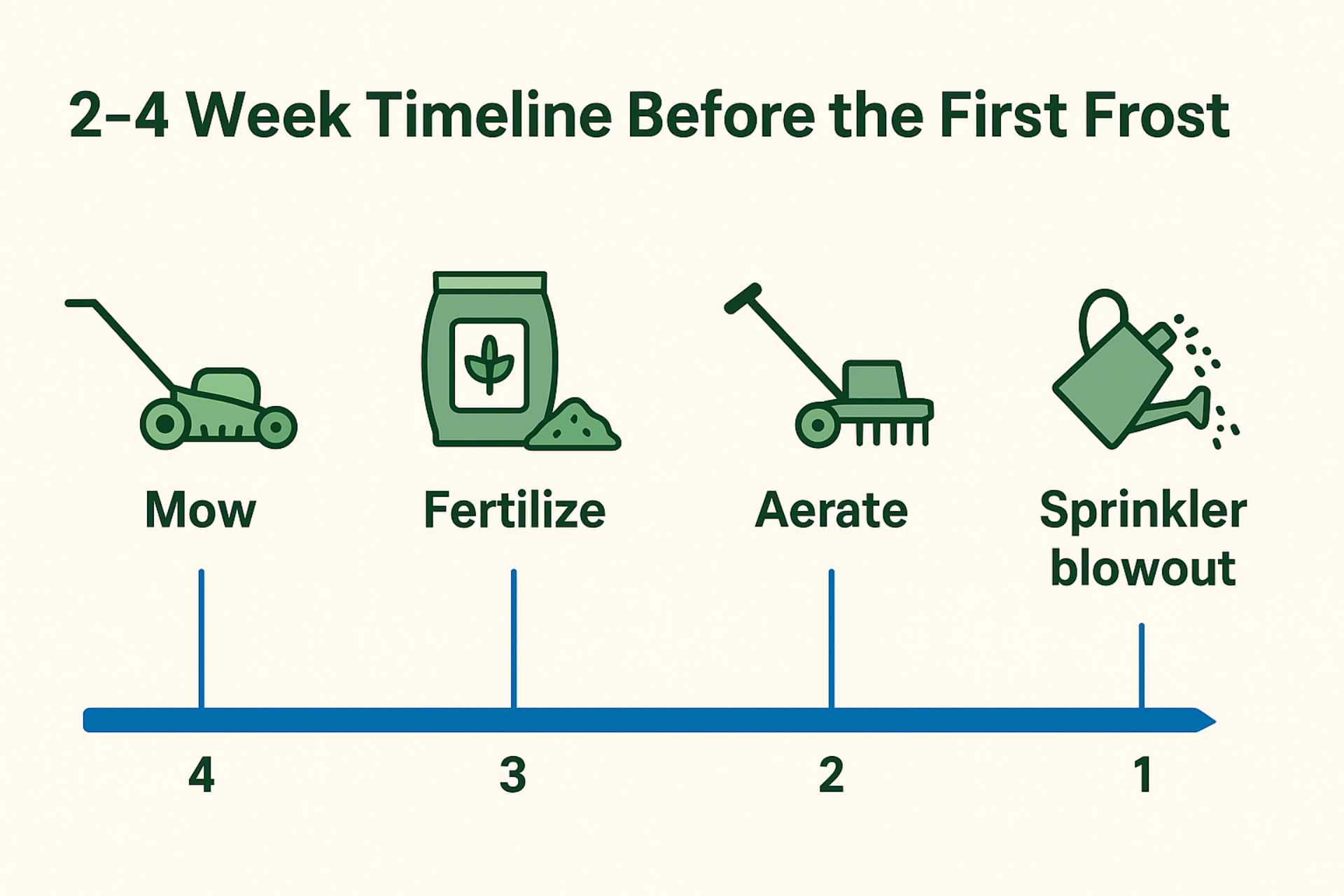
Quick summary:
- Aim: finish the big tasks before the first hard freeze (28°F for several hours).
- Light frost is okay; pipes, pumps, and plants hate hard freezes.
Your step-by-step plan:
- Mow: Lower gradually to about 2.5–3 inches (cool-season) or 1.5–2 inches (warm-season), never removing more than one-third at a time.
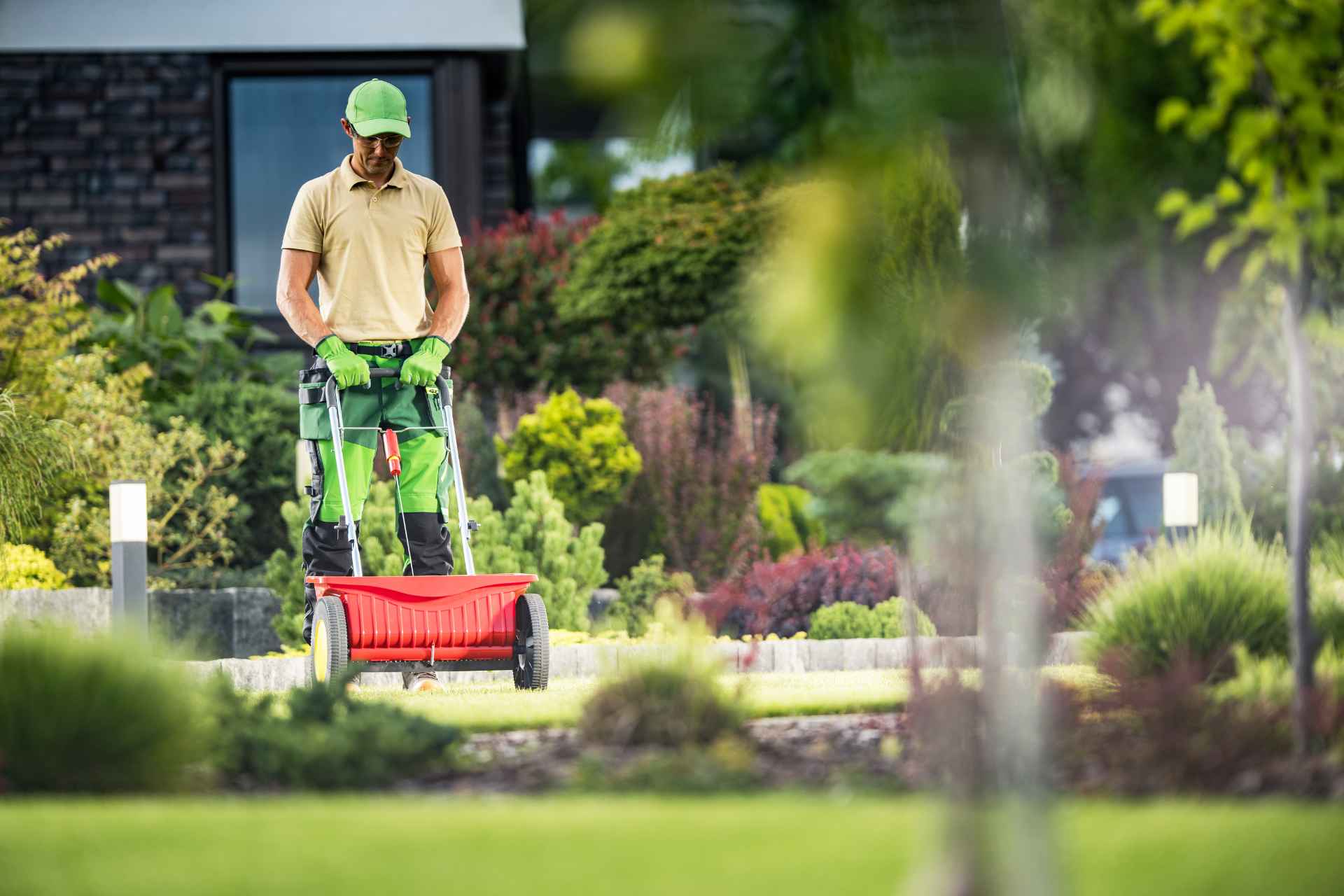
- Feed: Apply a “winterizer” fertilizer high in potassium (and for cool-season lawns, with nitrogen) when soil temps are around 45–50°F.
- Aerate (optional but powerful): Do this before fertilizing for better nutrient uptake, especially on compacted soils.
- Overseed (cool-season lawns): Complete at least 3–4 weeks before first frost so seeds establish.
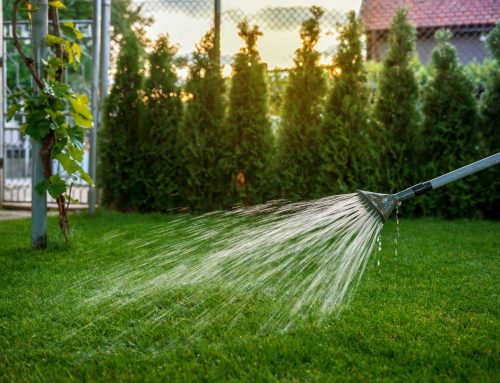
- Irrigation: Schedule a sprinkler blowout before the first hard freeze to protect lines, valves, and backflow preventers.
- Leaves: Keep the lawn clear; mulch thin layers, but bag heavy piles so grass can breathe.
First Frost vs. Hard Freeze: The Difference That Saves Headaches
Here’s the thing: “frost” sounds scary, but it’s not the main villain.
- First frost: Can happen even when air temps read 36°F; grass blades may freeze at the surface. Your lawn usually shrugs this off.
- Hard freeze: Around 28°F for hours. This is when water in sprinkler lines expands and bursts components—and when late fertilizer applications become less effective.
Real-world example: A client waited “one more weekend” and got a surprise cold snap. The lawn was fine, but the sprinkler manifold wasn’t. A quick blowout would’ve saved hundreds.
Cool-Season vs. Warm-Season Lawns: Tweak the Plan
Not all grass plays by the same rules. A little adjustment goes a long way.
-
Cool-season lawns (Kentucky bluegrass, fescue, ryegrass):
- Best time for winterizer: late fall, after top growth slows but before the ground freezes.
- Overseeding: Early fall is ideal; you still have a window if you’re 3–4 weeks out from frost.
- Last mow: 2.5–3 inches helps prevent snow mold while keeping roots insulated.
-
Warm-season lawns (Bermuda, Zoysia, St. Augustine):
- Focus on potassium-rich fertilizer; avoid heavy nitrogen late in the season to prevent tender growth that cold can damage.
- Mowing: Go slightly lower than summer height but not scalped.
- Overseeding (if desired for winter color): Use ryegrass 4–6 weeks before frost for best results.
Leaves, Sprinklers, and That “Last Mow”: Small Moves, Big Wins
These details pay off like compound interest.
- Leaves: A thin layer mulched into the lawn is free organic matter. But thick mats block light and trap moisture—bag or remove them weekly.
- Sprinklers: Blowouts are non-negotiable in freezing regions. Compressed air clears the system so pipes and backflow devices don’t crack.
- Last mow: Do it on a dry day. If you see frost, wait until midday when blades have thawed to avoid breaking frozen grass tissue.
A quick checklist you can print:
- Check your average first frost date
- Plan the blowout before any hard freeze is forecast
- Aerate (if needed), then apply winterizer fertilizer
- Overseed cool-season lawns early enough to establish
- Lower mowing height gradually over 2–3 cuts
- Keep leaves off the lawn
Missed the Window? Here’s Your Smart Backup Plan
Life happens. If frost has already arrived, you’re not sunk.
- Fertilizer: If soil isn’t frozen and the forecast is mild for a week, you can still apply a light winterizer—just water it in if your irrigation is still active or rainfall is expected.
- Sprinklers: Prioritize an immediate blowout before the first hard freeze. Even late is better than never.
- Mowing and leaves: Keep clearing leaves and make that final cut on a thawed afternoon.
Wrap-Up and a Friendly Nudge
Yes—winterize before the first frost, and aim to finish the critical steps before a hard freeze. A little planning now buys you a greener, thicker spring lawn with fewer headaches. If you’d like a hand with timing, fertilizer selection, or a pro-grade sprinkler blowout, Turf Rain is here to help. Contact Us and we’ll tailor a simple plan for your yard.



Leave A Comment