

Local climate sets your lawn’s clock. Temperature, soil warmth, rainfall, humidity, and wind determine when to water, mow, fertilize, seed, and control weeds. Ditch fixed dates—watch your weather. Frosts, heat spikes, and microclimates move everything, so you time care to growth, save water and products, and get greener results. It’s timing, not luck.
What you’ll learn from this blog
- How local climate drives the calendar for watering, mowing, and feeding
- Soil temperature cues for seeding and pre-emergent applications
- Watering timing based on rain, wind, and humidity (not guesswork)
- How microclimates around your home shift your schedule
- A quick weekly routine to stay perfectly on time
- When to call in smart irrigation tools from Turfrain
Forget the calendar—follow the thermometer
If you only track one thing, track temperature. Grass responds to heat, not the month.
- Cool-season lawns (fescue, bluegrass, rye) grow best 60–75°F air temps; they stress above 85°F. Fertilize mainly in early fall; go light in late spring.
- Warm-season lawns (Bermuda, zoysia, St. Augustine) wake up when nights are mild and days are consistently 75–95°F. Fertilize after full green-up—usually late spring.
A quick story: My neighbor waited for “Memorial Day” to fertilize his Bermuda during a cool May. It barely took. Two weeks later, temps warmed, he fed again lightly, and the lawn finally popped. The thermometer told the truth; the calendar didn’t.
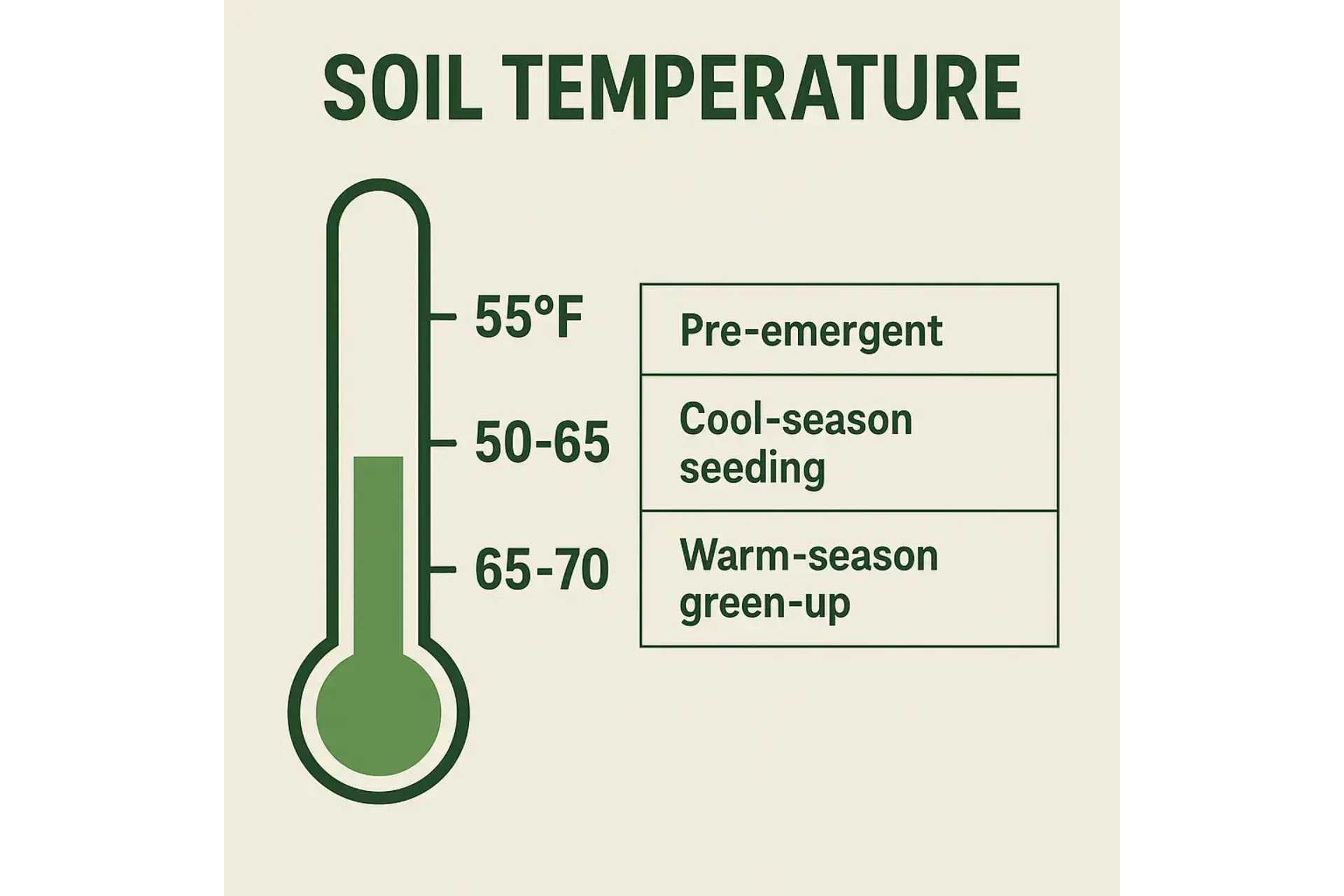
Soil temperature: the secret sauce for seed and weed control
Soil temps are the best timing signals for seeding and pre-emergents.
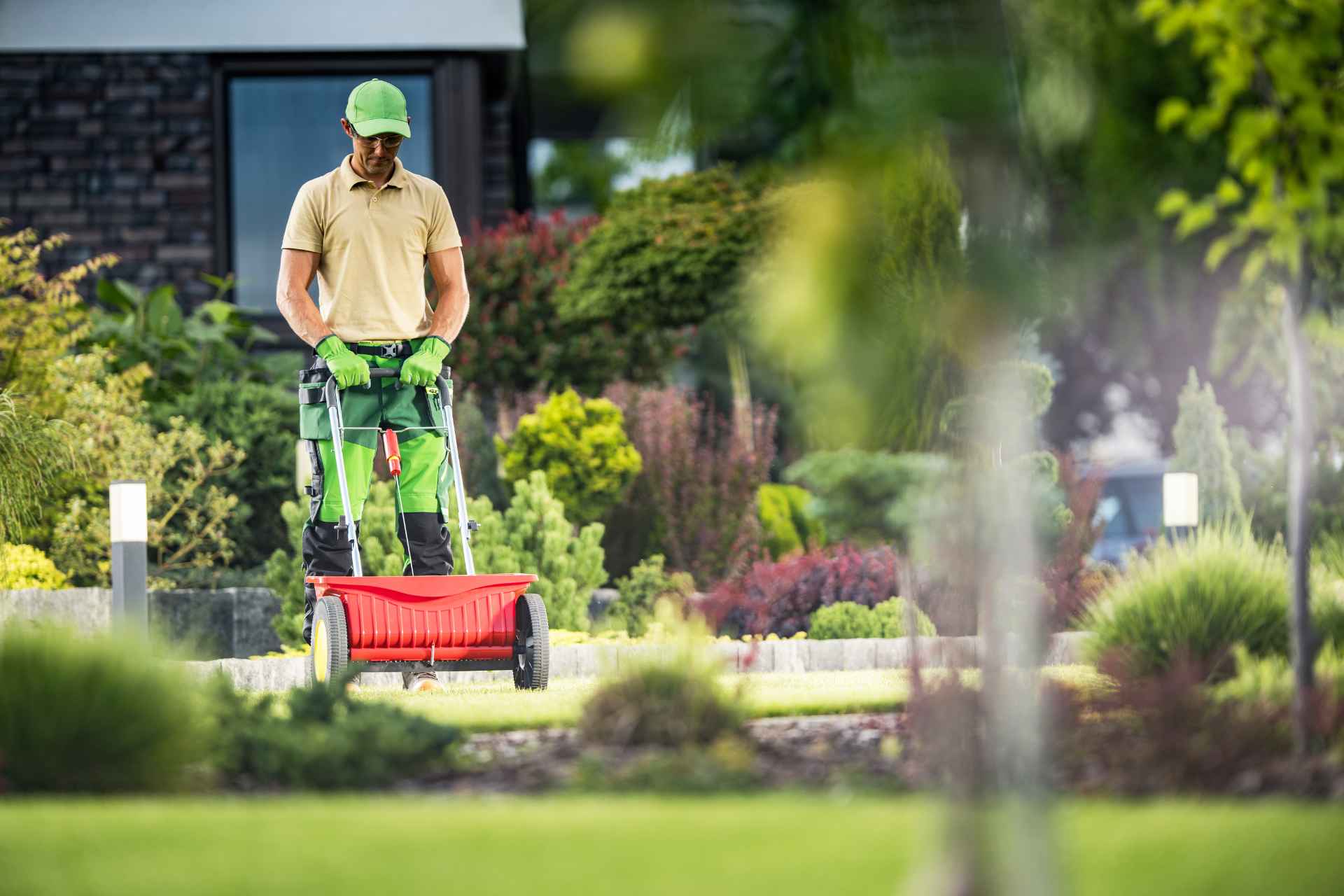
- Pre-emergent herbicide: Apply when soil reaches about 55°F for several days to block crabgrass. Too early? It fades before weeds sprout. Too late? The party’s already started.
- Cool-season seeding: Aim for 50–65°F soil temps in early fall or very early spring.
- Warm-season seeding/plugs: Target 65–70°F soil temps for reliable rooting.
- Starter fertilizer: Pair with seeding; for mature lawns, fertilize when grass is actively growing, not just because the bag says so.
Tip: Grab a cheap soil thermometer or check a reliable local soil temp map. Five minutes can save an entire season of rework.
Rain, wind, and humidity: the watering trio that sets your schedule
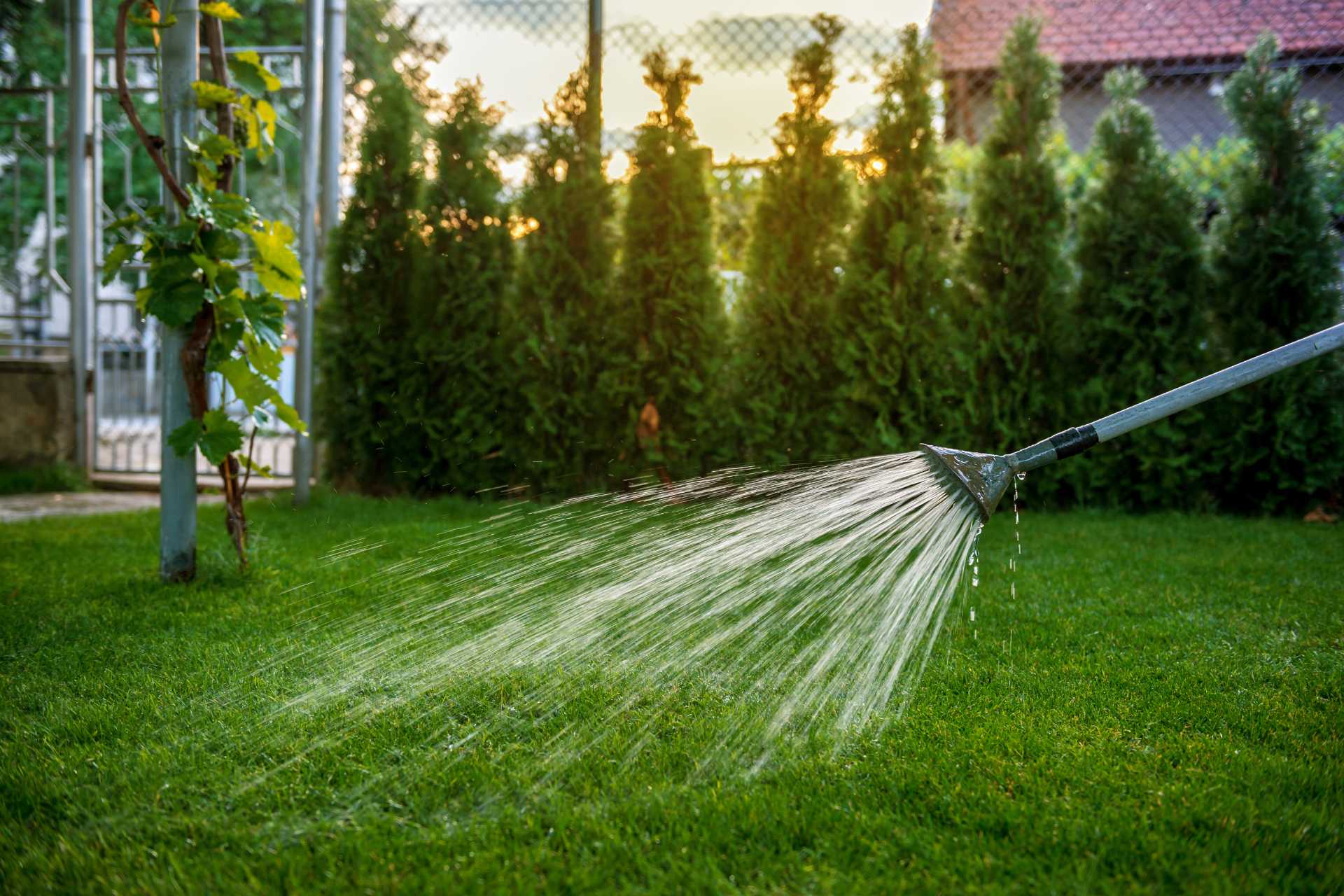
Water timing isn’t “every Tuesday.” It’s “when the weather says go.”
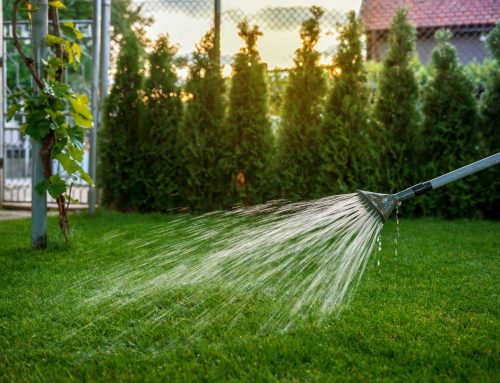
- Water at dawn to reduce evaporation and disease risk.
- Skip irrigation after half an inch of rain; resume when the top 2 inches dry.
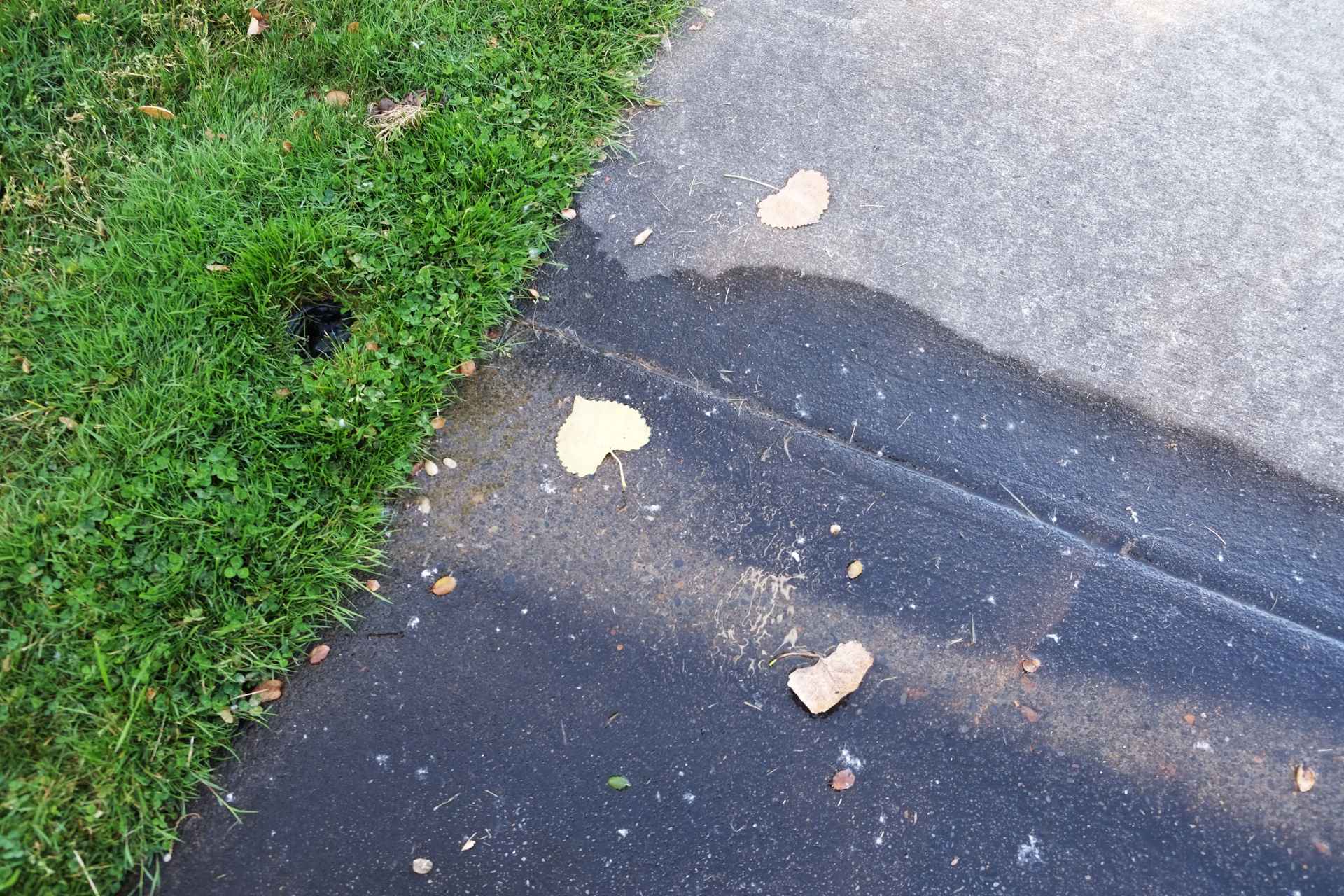
- In heat waves and wind, water may evaporate fast—use shorter, repeat cycles to reduce runoff, especially on clay or slopes.
- Aim for roughly 1 inch per week in growing season, but adjust using your local evapotranspiration (ET) rate. Imagine this: A breezy, low-humidity week can “drink” your moisture twice as fast as a calm, muggy week. That’s why Turf Rain’s smart controllers use local weather to adjust run times automatically—no more puddles on Tuesday and crispy blades by Friday.
Microclimates and shade pockets: the 20-foot weather shift
Your front yard and backyard live different lives.
- South-facing areas heat up first—seed and feed sooner there.
- Shaded turf dries slower—water less often, but watch for disease.
- Near walls and driveways, heat radiates—great for warm-season green-up, risky for cool-season turf in late summer.
- Low spots stay cooler and wetter—delay watering and pre-emergent there to avoid waste.A tiny slope, a fence line, even a dark mulch bed can create mini weather zones. Treat them like “rooms” in your yard with slightly different schedules.
Your 10-minute weekly timing check (so easy you’ll actually do it)
- Check the 7-day forecast: heat spikes, cool snaps, rain chances.
- Read soil: if the top 2 inches are dry, schedule water; if damp, wait.
- Peek at soil temp if you’re near seeding or pre-emergent windows.
- Walk the lawn: wilted blades? Footprints linger? It’s thirsty.
- Mower rule: never cut more than one-third of the blade at once. Growth fast? Mow sooner rather than lower.
- Log one note: “Fed? Watered? Mowed?” You’ll spot patterns quickly.
Conclusion: Let weather lead, and your lawn follows
When you time lawn care to your local climate, you stop guessing—and start growing. Temperature, soil warmth, rain, and those quirky microclimates give you a simple, reliable playbook. If you want an easy button, Turf Rain can set up weather-based irrigation and fine-tune schedules to your yard’s quirks. Ready to make timing effortless? Contact Us, and let’s give your lawn the rhythm it deserves.
Wondering if it’s too late to take action? Read our next guide — Can I wait until December? — to find out how timing affects late-season lawn care.



Leave A Comment