
BLOG

Local climate sets your lawn’s clock. Temperature, soil warmth, rainfall, humidity, and wind determine when to water, mow, fertilize, seed, and control weeds. Ditch fixed dates—watch your weather. Frosts, heat spikes, and microclimates move everything, so you time care to growth, save water and products, and get greener results. It’s timing, not luck. What you’ll learn from this blog How local climate drives the calendar for watering, mowing, and feeding Soil temperature cues for seeding and pre-emergent applications Watering timing based on rain, wind, and humidity (not guesswork) How microclimates [...]

Yes—start the winterization process before the first frost. Aim to complete the big items 2–4 weeks ahead: feed with a winterizer fertilizer, clear leaves, lower your last mow, and blow out sprinklers before a hard freeze. A light frost won’t ruin your lawn, but leaving prep too late can. Here’s the simple plan. What you’ll learn from this blog The best timeline to winterize before the first frost The difference between a first frost and a hard freeze (and why it matters) A step-by-step winterizing checklist for homeowners How to [...]
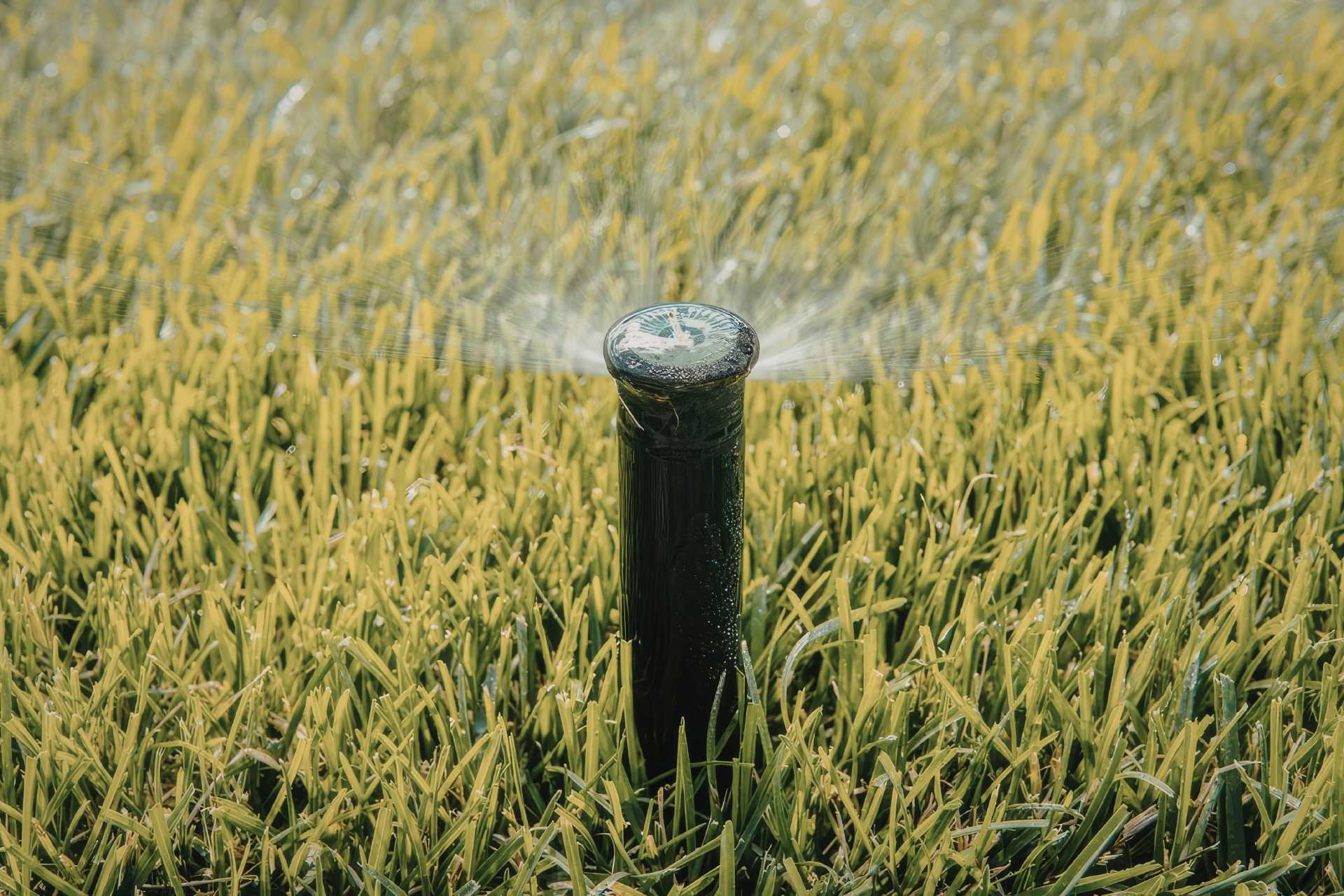
Winterize your sprinkler system 1–2 weeks before your area’s average first freeze. Start when overnight lows live in the mid-30s °F (1–3 °C) and a hard freeze—28 °F (-2 °C) for several hours—is in the forecast. That’s your go-time. Earlier is better than later; water expands when it freezes, and pipes don’t forgive. What you’ll learn from this blog The best temperatures and timing to winterize a sprinkler system A quick awareness checklist you can run in five minutes A simple, step-by-step blowout process (DIY or pro-ready) Common mistakes that [...]
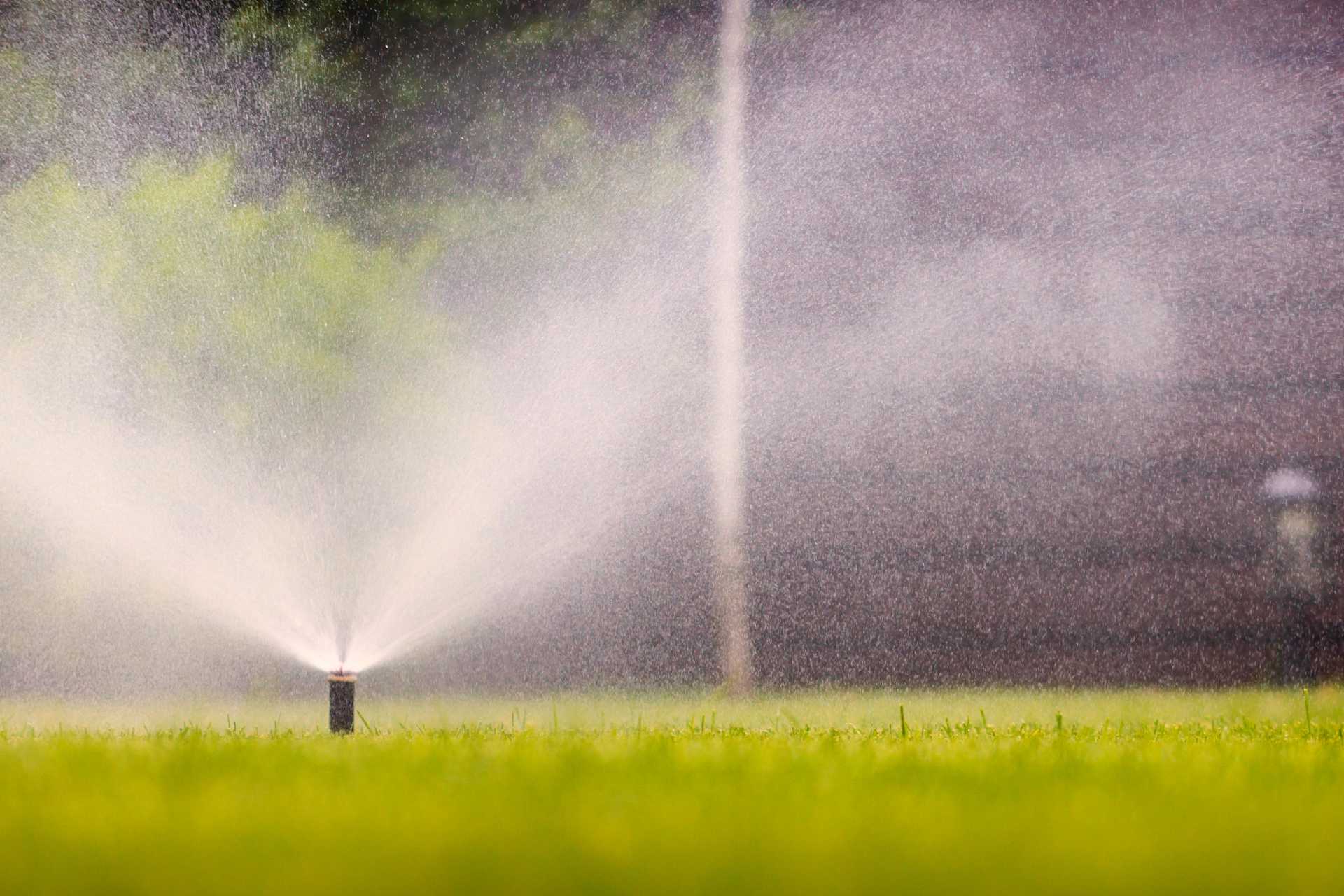
Yes, you can winterize your lawn sprinkler system without an air compressor. Use gravity-drain methods, open manual drain valves, try a wet/dry shop vac, protect the backflow preventer, and insulate exposed parts. In mild-to-moderate freeze zones, these options work well. In harsher climates, a full blowout is safest—but you’ve got options right now. What you’ll learn from this blog How to winterize sprinklers without an air compressor, step by step Gravity-drain, shop-vac, and siphon-assist methods (and when each works) Backflow preventer protection that actually matters What to do with drip [...]
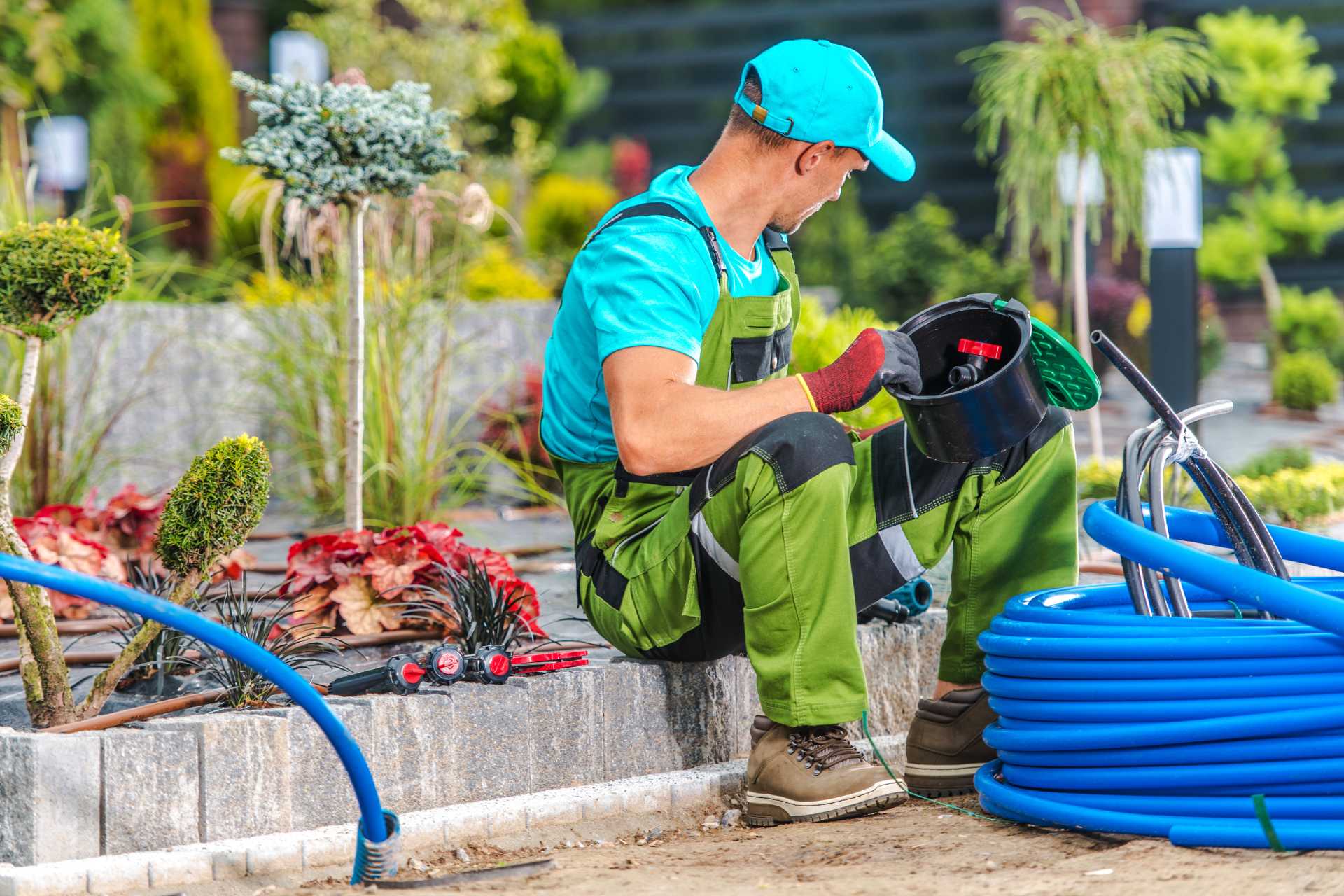
For most homeowners, winterizing a lawn and irrigation system takes about 1.5 to 3 hours. The sprinkler blowout itself typically runs 45–90 minutes for 6–12 zones. Add 20–40 minutes for winterizer fertilizer, 10–20 minutes to drain hoses and protect faucets, plus any leaf or gutter cleanup if you bundle it. What you’ll learn from this blog Exact timelines for sprinkler blowouts and lawn winterization A quick checklist you can follow in order What speeds things up (and what slows them down) A weekend game plan by yard size When to [...]
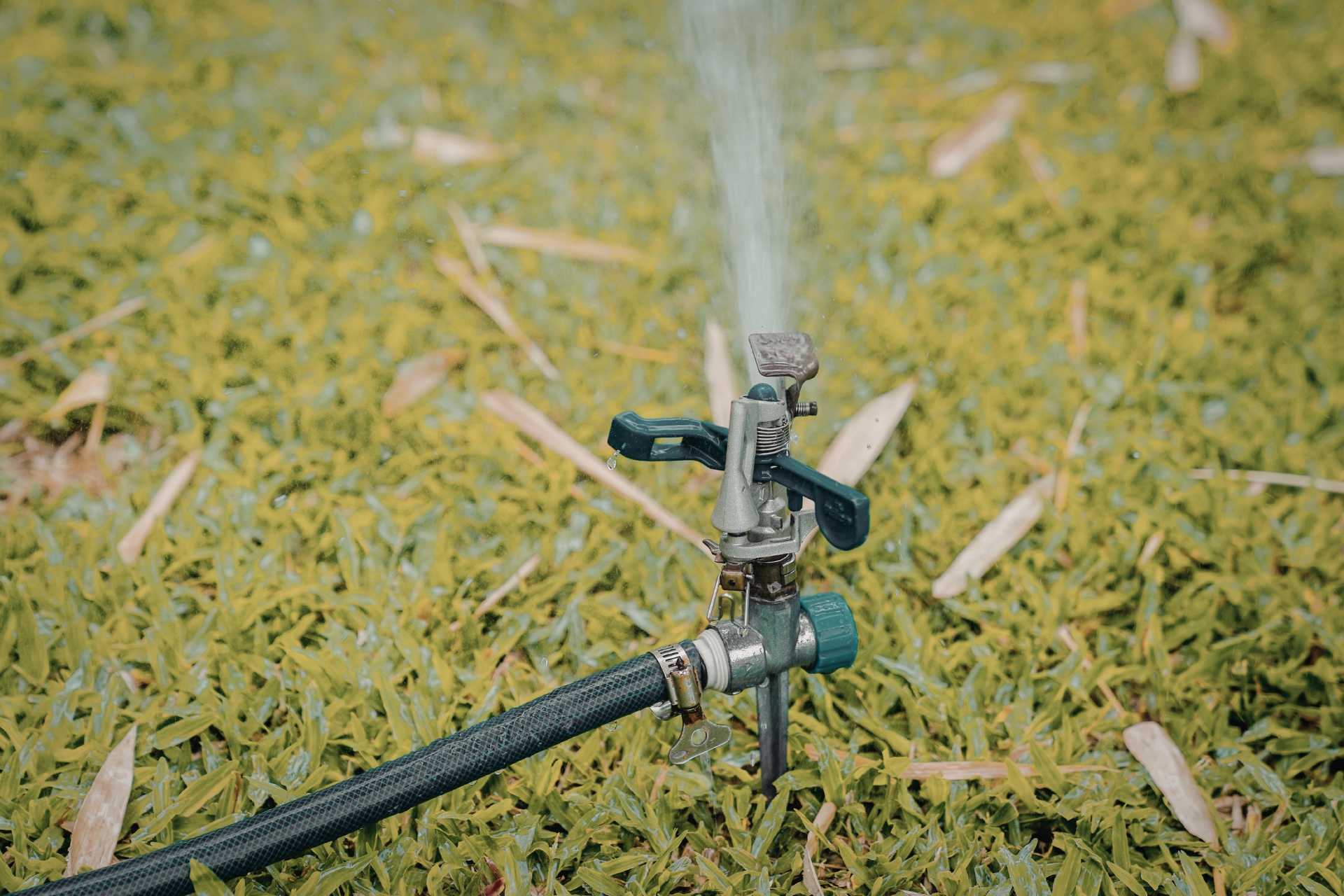
Shut off the irrigation system water, protect the backflow, then clear each zone with regulated compressed air until only mist blows out. Work from the farthest zone, keep pressure modest (around 50 PSI for PVC, up to 60–80 PSI for poly), and open all drains. Finish by insulating exposed parts and turning the controller off. What you’ll learn in this blog The best time to winterize your sprinkler system Tools you actually need (and what you don’t) Safe air-compressor settings and a step-by-step blowout How to protect your backflow preventer [...]