BLOG
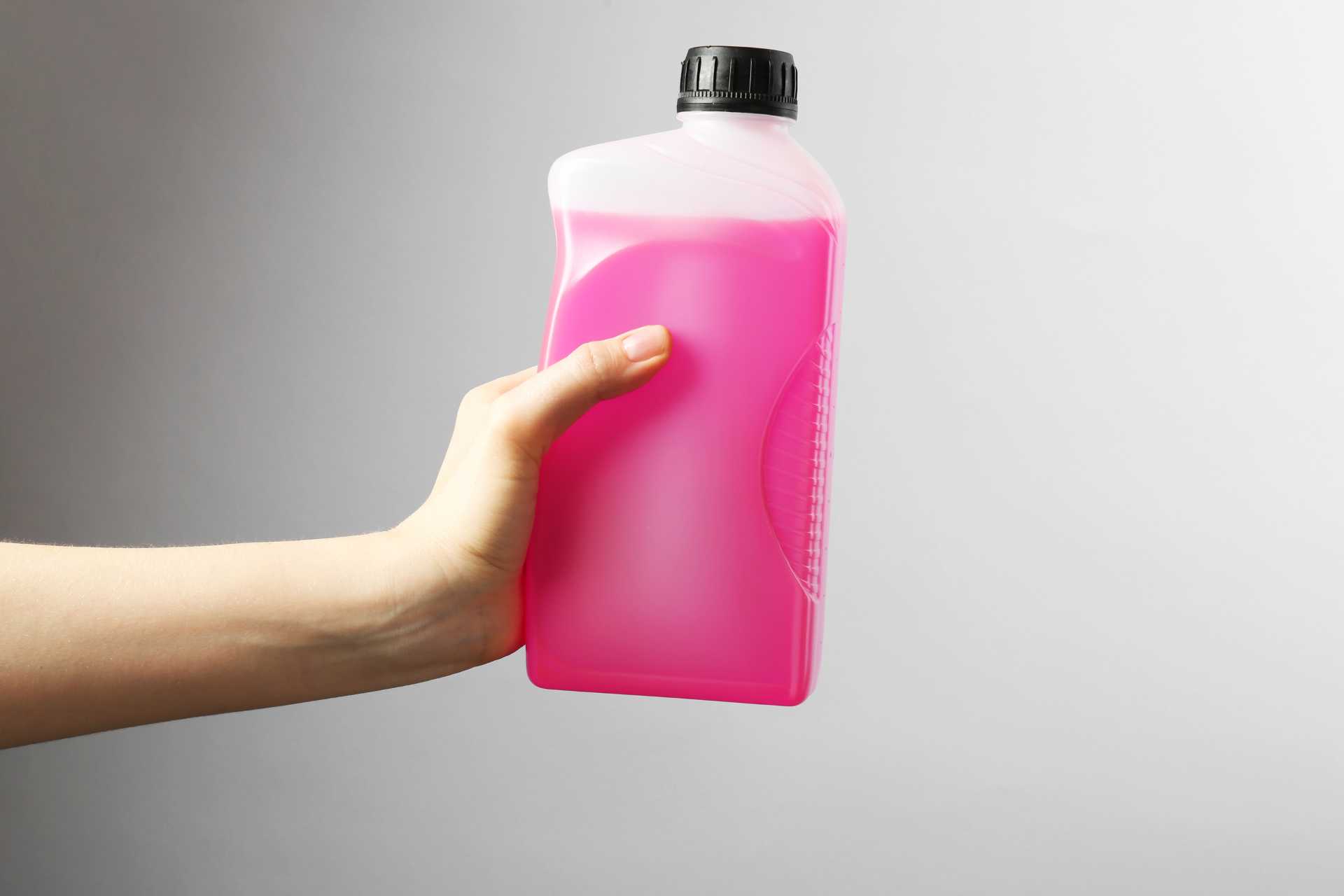
Short answer: no—antifreeze isn’t safe for your lawn. Most automotive antifreeze (ethylene glycol) is toxic to grass, soil life, pets, and wildlife, even in small amounts. If you spill it, act fast: contain, absorb, and dispose properly. There are safer options for winterizing plumbing, but none belong on turf. We’ll show what to use instead and how to handle leaks. What you’ll learn from this blog What happens to grass and soil when antifreeze spills The difference between automotive and RV antifreeze (and what’s actually safer) A quick, proven cleanup process [...]

Yes—over-blowing a sprinkler system can crack PVC, pop fittings, shred seals, and ruin backflow preventers. The fix is simple: prioritize volume over pressure and regulate air. For most homes, keep blowout pressure around 40–60 PSI, never above 80 PSI, and pulse each zone until mist fades. That’s winterization without damage. What you’ll learn from this blog The safe PSI and CFM for sprinkler blowouts (and why they matter more than you think) What “over-blowing” actually damages in your system A step-by-step plan to winterize without breaking anything Answers to common [...]

Yes—many lawn and irrigation companies offer bundle discounts when you book multiple services, especially in fall. As for winterization, the biggest mistakes are skipping a full blowout, using the wrong air pressure, and ignoring the backflow. Leave water behind and it can freeze, expand, and crack pipes, valves, and sprinkler heads. What you’ll learn from this blog How to snag discounts when bundling lawn and irrigation services The most common winterization mistakes and how to avoid them What actually happens if you don’t blow out all the water A simple, [...]

Usually, DIY sprinkler winterization is cheaper only if you already own the right air compressor and fittings. If you need to rent gear—or if a mistake cracks a backflow or valve—the professional route often costs less overall. For most homeowners, paying a pro is the safer, predictably priced choice once risk is included. What you’ll learn from this blog Real cost comparison: DIY vs. hiring a pro Tools you actually need (and which ones are overkill) A simple step-by-step for a safe DIY blowout Hidden costs and common mistakes to [...]

Sprinkler winterization costs vary by region because climate risk, labor rates, regulations, and seasonal demand aren’t the same everywhere. Colder zones require higher-CFM compressors and longer blowouts; milder areas may just need shut-off and draining. Add system size and travel time, and you’ll see why prices range from budget-friendly to premium. What you’ll learn from this blog Why climate and local labor rates change your winterization price Typical cost ranges across the Greater Toronto Area (GTA) and nearby regions (and what ‘near me’ really means) Factors that quietly bump up a quote: system size, compressors, [...]

Yes, hidden fees can pop up in sprinkler winterization—but they don’t have to. Most costs should be clear: a base blowout fee, per‑zone pricing, and any extras like backflow testing or after‑hours service. Surprises usually come from unclear scopes, access issues, or repairs discovered mid‑visit. Here’s how to spot and avoid them. What you’ll learn from this blog What a transparent winterization quote should include The most common “gotcha” fees and how to prevent them How to compare flat-rate vs. per-zone pricing Questions to ask before anyone shows up A [...]