
BLOG
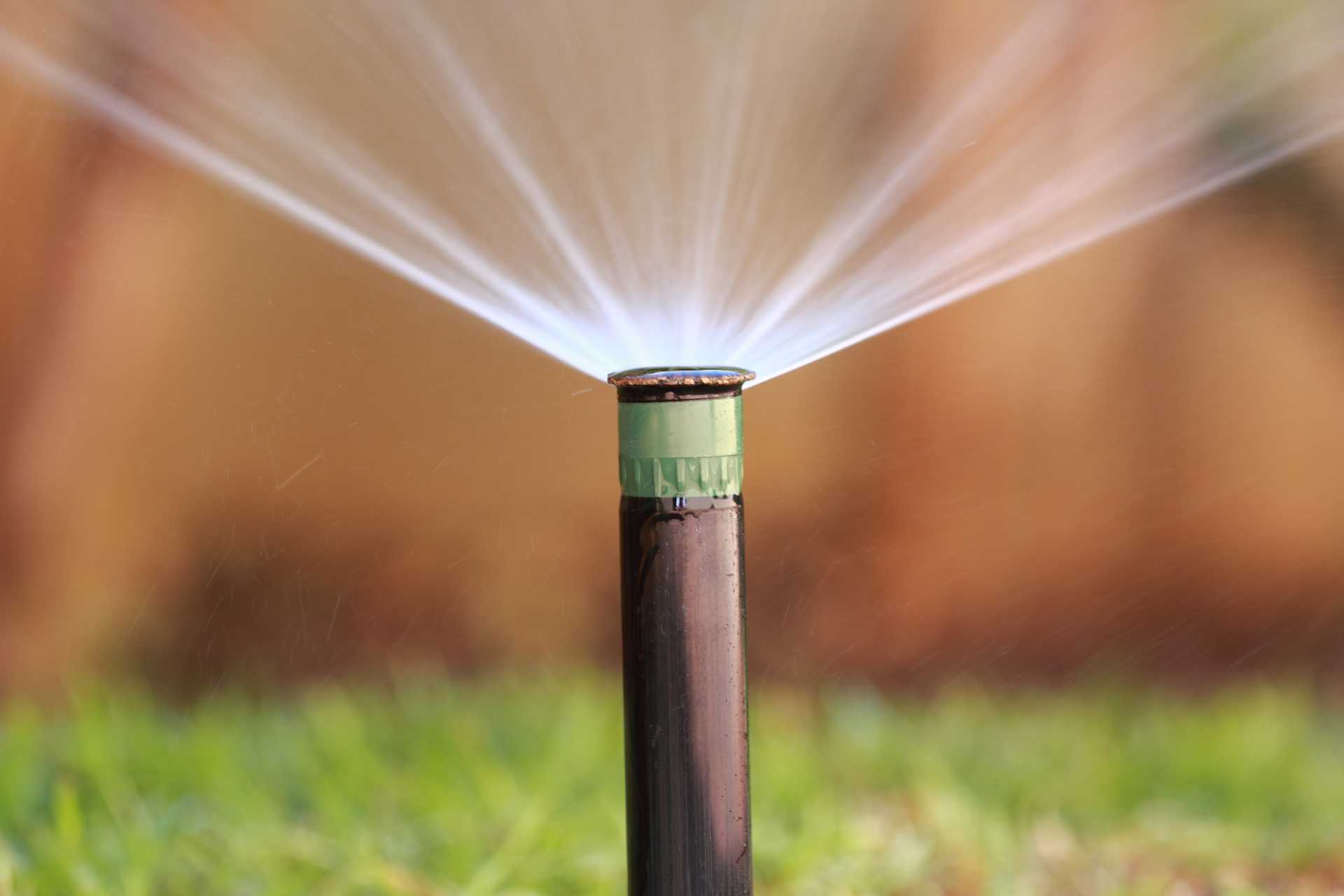
To start up your sprinkler system in spring, wait for consistent thaw, close drains, slowly open the main supply to avoid water hammer, re-pressurize the backflow preventer, power the controller, and test each zone for leaks or clogged heads. Adjust spray patterns, set a seasonal schedule, and confirm sensors and drip lines work. What you’ll learn from this blog The exact spring startup sequence that prevents damage How to open valves slowly to avoid water hammer Backflow preventer steps that actually make sense A zone-by-zone testing routine (with quick fixes) [...]
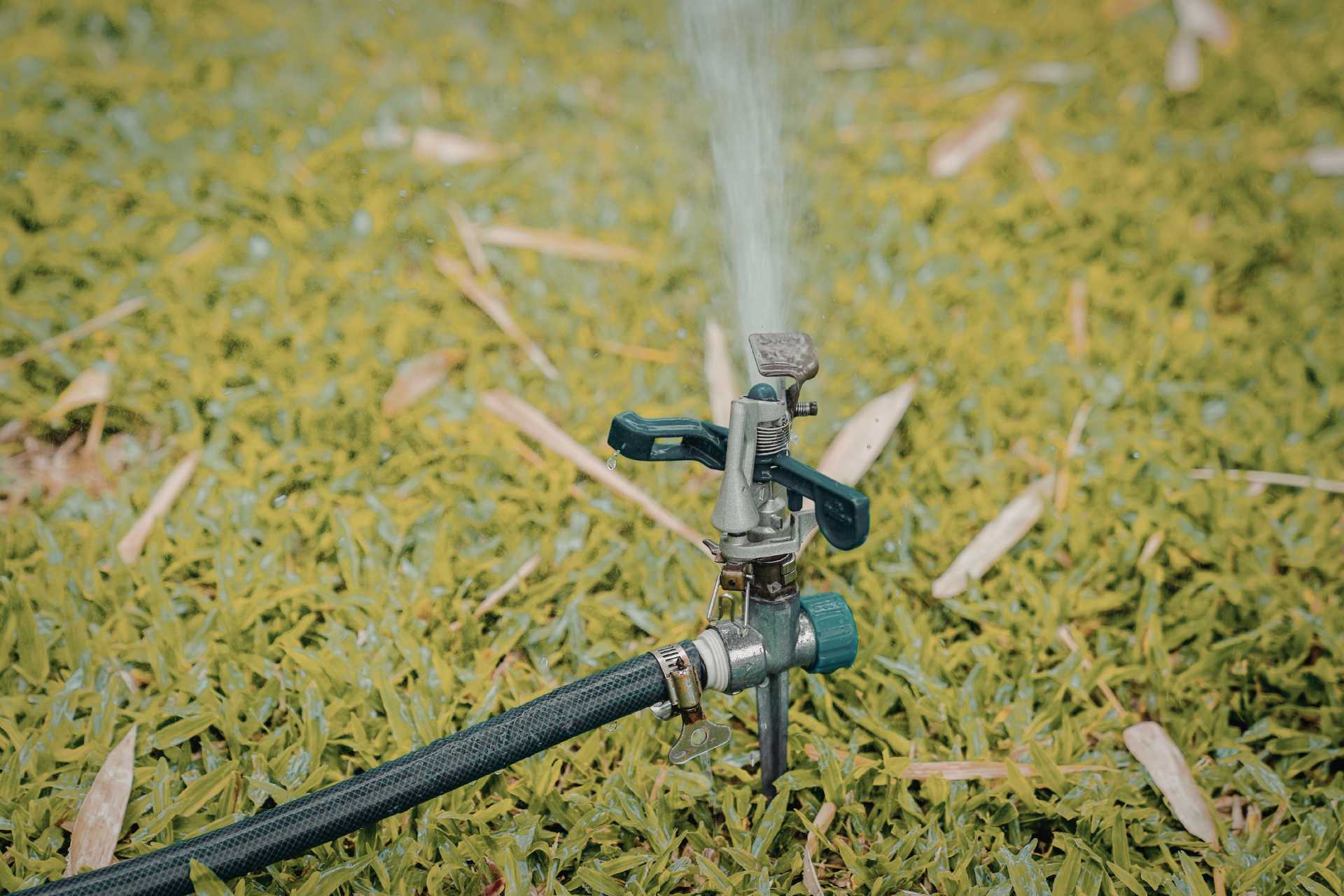
To properly blow out your sprinkler system for winter, shut off the water, attach a regulated air compressor to the blowout port after the backflow, and clear each zone with 40–60 PSI until only a fine mist appears. Cycle zones 2–3 times, drain and set backflow handles at 45°, insulate exposed parts, then turn the controller Off. What you’ll learn in this blog The exact steps to winterize a lawn sprinkler system safely What PSI/CFM you need (and what to avoid) How long to run each zone and how many [...]
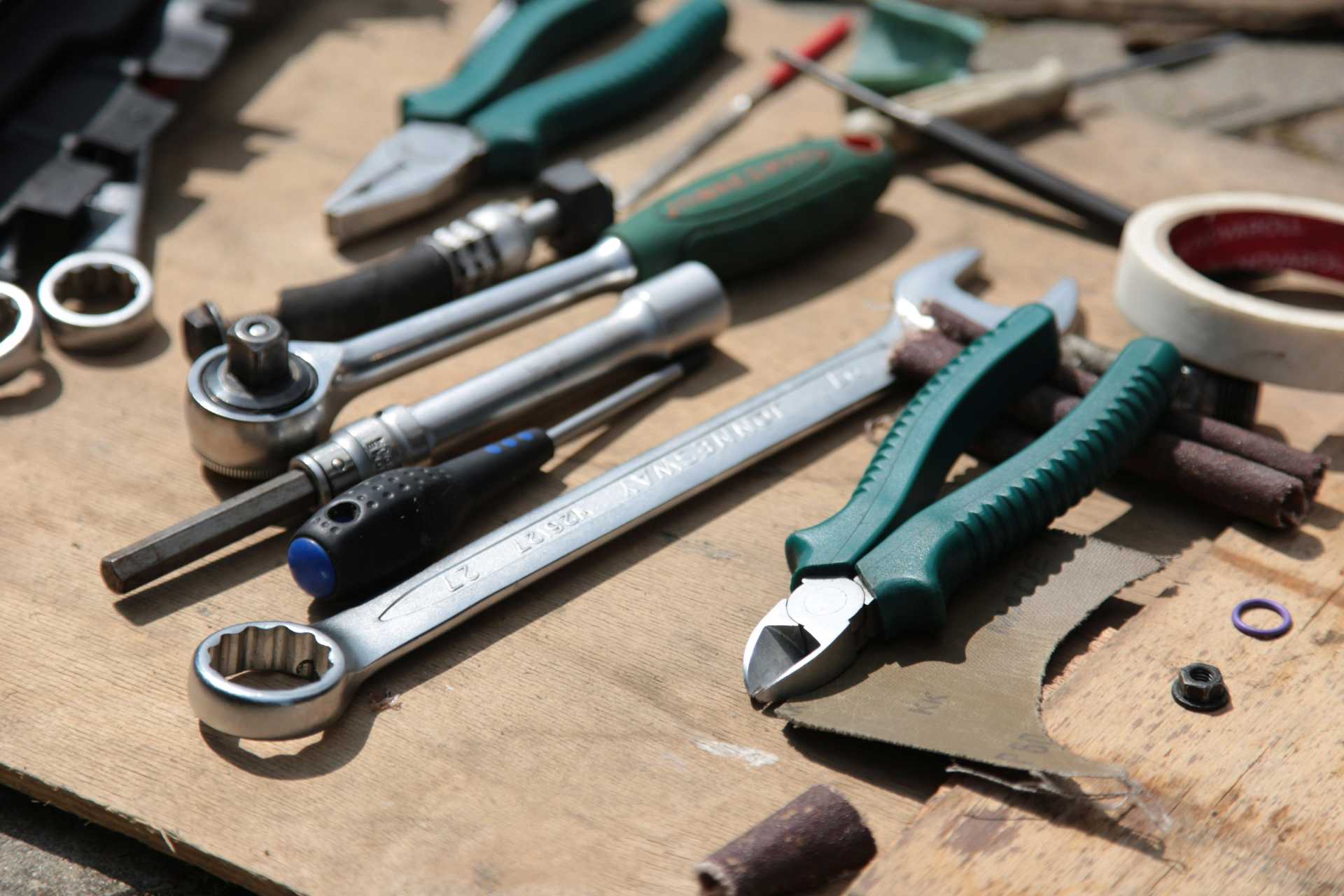
You’ll need an air compressor with a regulator, the right blowout adapter, a quality air hose, basic hand tools, and insulation supplies. Add safety gear—eye and ear protection—and a few extras like Teflon tape and rags. Optional: foam covers for the backflow and hose bibs. That’s the short list to winterize a sprinkler system. What you’ll learn from this blog The essential tools and materials (and the ones you can skip) What PSI and CFM you actually need to blow out sprinkler lines Which fittings and adapters connect your compressor [...]
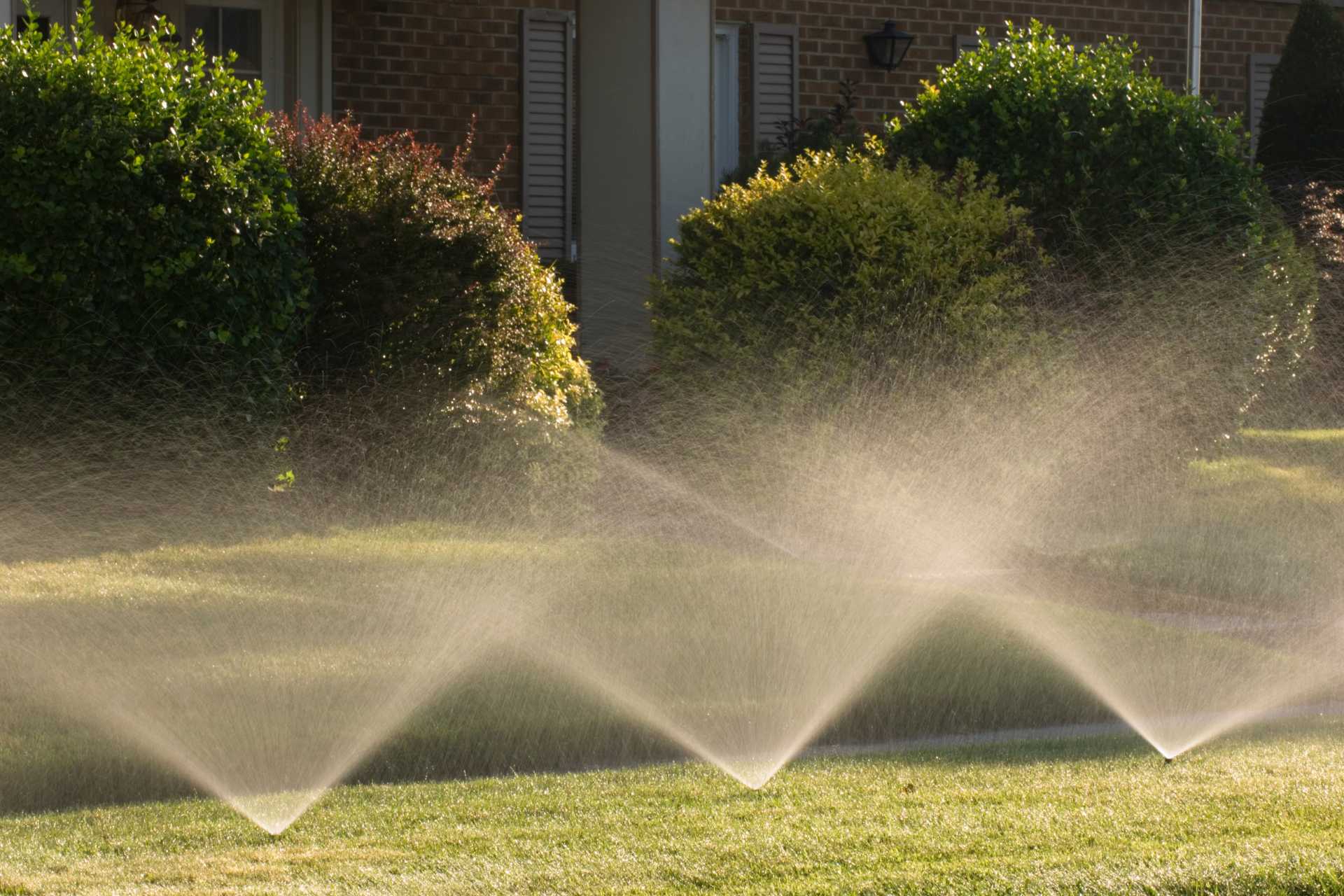
To winterize your lawn sprinkler system, shut off water, drain or blow out lines with compressed air, open test cocks, protect backflow preventer, set controller to winter mode, and insulate exposed parts. Doing this before first hard freeze prevents burst pipes, cracked valves, and costly repairs. Most homeowners can complete it in under an hour. What you’ll learn from this blog The exact steps to winterize a sprinkler system safely How to choose the right compressor settings (PSI/CFM) Backflow preventer basics and why they matter Controller and sensor settings you [...]
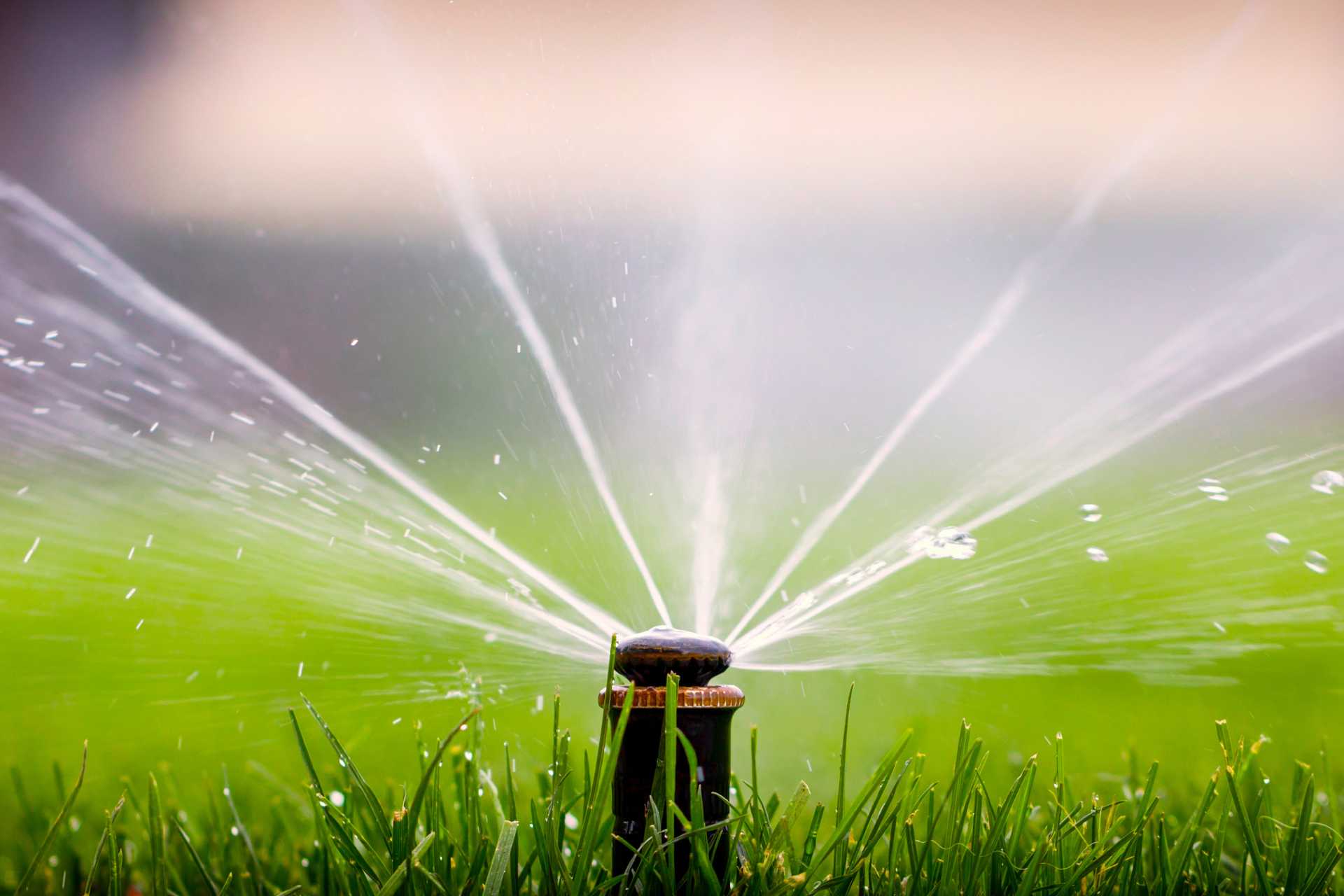
To check for leaks after winterization, restore water slowly, watch your meter’s leak indicator, then test each sprinkler zone for hissing, soggy spots, or low pressure. Inspect the backflow preventer and valve boxes for drips or bubbles (use soapy water). Compare before/after meter readings. If the meter moves with everything off, you’ve got a leak. What you’ll learn from this blog A 10-minute checklist to spot irrigation leaks fast How to use your water meter as a leak detector The right way to open the system after winter Signs of [...]
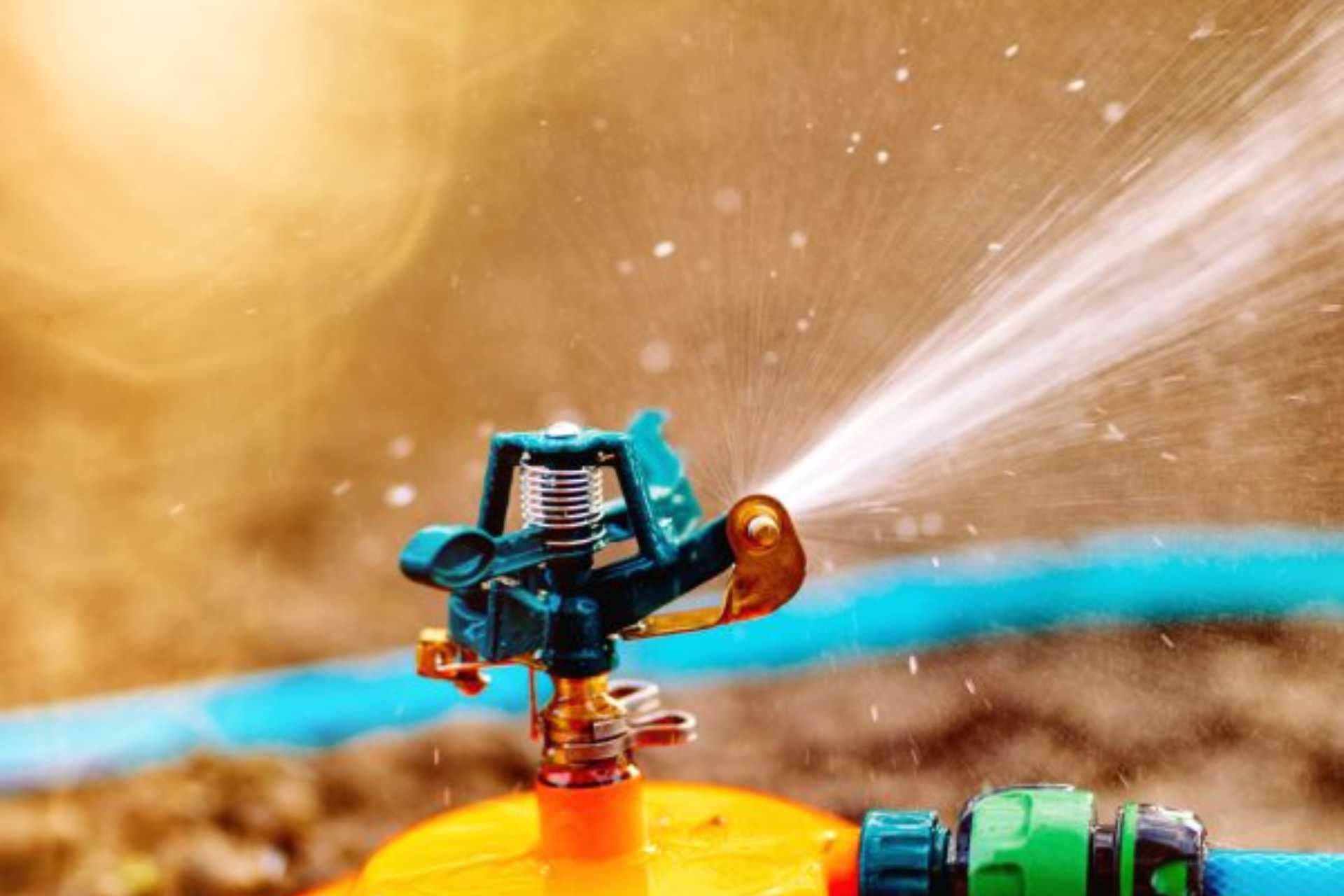
Yes—if you expect freezing temps or you’re shutting down your sprinkler system, you should drain backflow preventer assemblies. Draining prevents burst brass, costly leaks, and possible contamination. In warm weather and normal operation, don’t drain; keep them pressurized and tested annually. Local codes matter, too, so follow manufacturer guidance or hire a pro. What you’ll learn from this blog When to drain a sprinkler backflow preventer (and when not to) How to winterize a backflow preventer step by step Common mistakes that crack valves in cold snaps Simple freeze-protection upgrades [...]