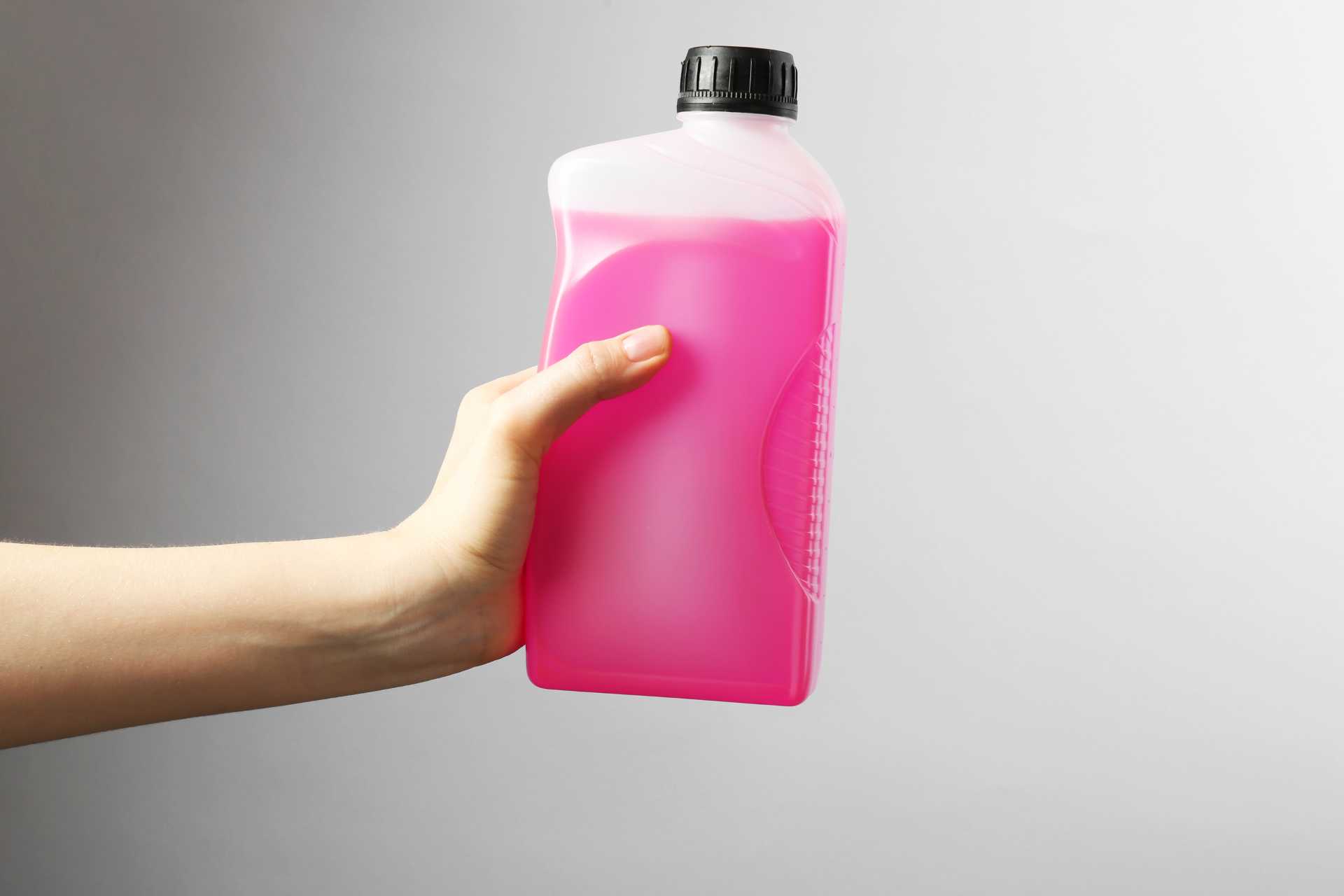
Short answer: no—antifreeze isn’t safe for your lawn. Most automotive antifreeze (ethylene glycol) is toxic to grass, soil life, pets, and wildlife, even in small amounts. If you spill it, act fast: contain, absorb, and dispose properly. There are safer options for winterizing plumbing, but none belong on turf. We’ll show what to use instead and how to handle leaks.
What you’ll learn from this blog
- What happens to grass and soil when antifreeze spills
- The difference between automotive and RV antifreeze (and what’s actually safer)
- A quick, proven cleanup process for lawn spills
- Winterizing tips that don’t risk your yard or pets
- When your lawn will recover—and when to reseed
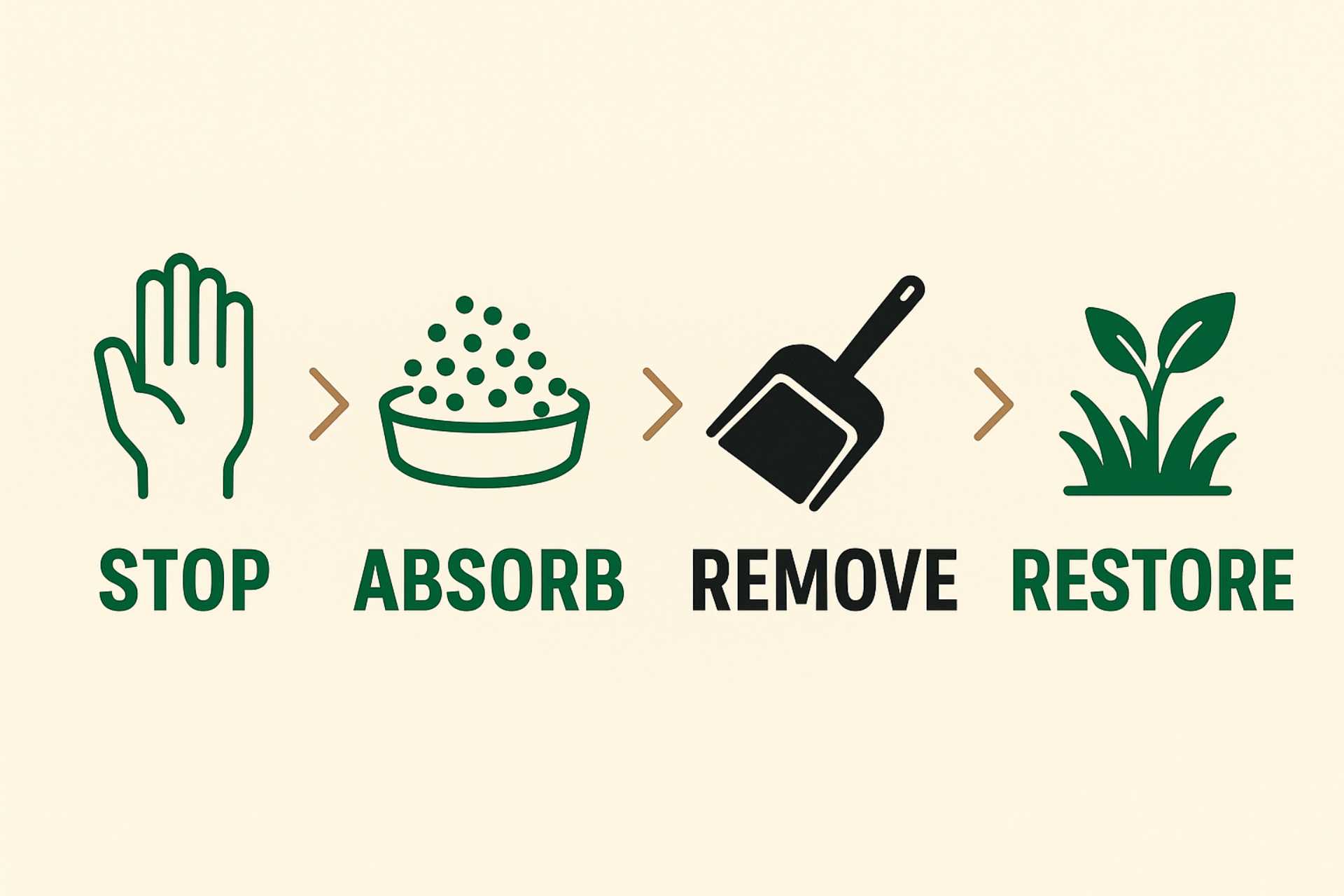
Start Here: If antifreeze hits your grass—do this now
Spill on the lawn? Don’t panic, but do move quickly. Here’s the play-by-play homeowners ask for all the time.
- Keep kids and pets away immediately. Antifreeze tastes sweet to animals—huge risk.
- Contain the spill. Create a small soil “berm” or use old towels to stop it from spreading.
- Absorb, don’t hose. Cover the spot with kitty litter, sawdust, or oil-absorbent. Press gently.
- Scoop and seal. Shovel the saturated material into a heavy-duty bag or bucket with a lid.
- Remove the top layer of soil. An inch or two helps pull out residues; bag it up too.
- Dispose properly. Take it to your local household hazardous waste site—don’t trash it curbside.
- Ventilate and wait. Let the area air out a day, then top-dress with compost and reseed if needed.
Pro tip: Avoid water at first. Hosing spreads contamination and can push antifreeze into storm drains.
Wait, isn’t RV antifreeze different? (Yes—and still not turf-friendly)
This is where the labels get tricky. A quick rundown you can trust:
- Automotive antifreeze: Typically ethylene glycol (often green, yellow, or orange). Highly toxic to pets and wildlife; also hard on grass and soil microbes.
- RV/Marine antifreeze: Usually propylene glycol (often pink). Much less toxic, designed to protect potable-water systems. Still a chemical—don’t pour it on grass, and keep it out of ponds and storm drains.
- “Eco” or “pet-safe” claims: Safer doesn’t mean lawn-safe. Use only as directed in plumbing or systems, not as a de-icer on walkways or turf.
Rule of thumb: If it prevents freezing, it doesn’t belong on your lawn.
How antifreeze harms grass, soil—and curious pets
Antifreeze is sneaky. It doesn’t always scorch turf right away, but it’s rough on the underground world your lawn relies on.
- Grass stress: Antifreeze can draw moisture out of plant cells and disrupt normal metabolism, causing yellowing, wilting, or patchy die-off.
- Soil life takes a hit: Microbes that cycle nutrients get disrupted, slowing recovery.
- Water risk: Spills can move through the soil or wash into drains after a rain.
- Pets and wildlife: Even small amounts of ethylene glycol can be dangerous. Because it tastes sweet, animals may lap it up before you notice.
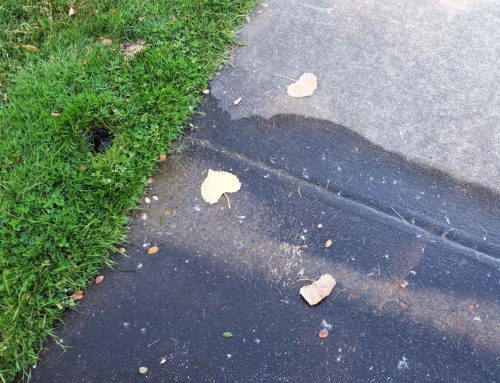
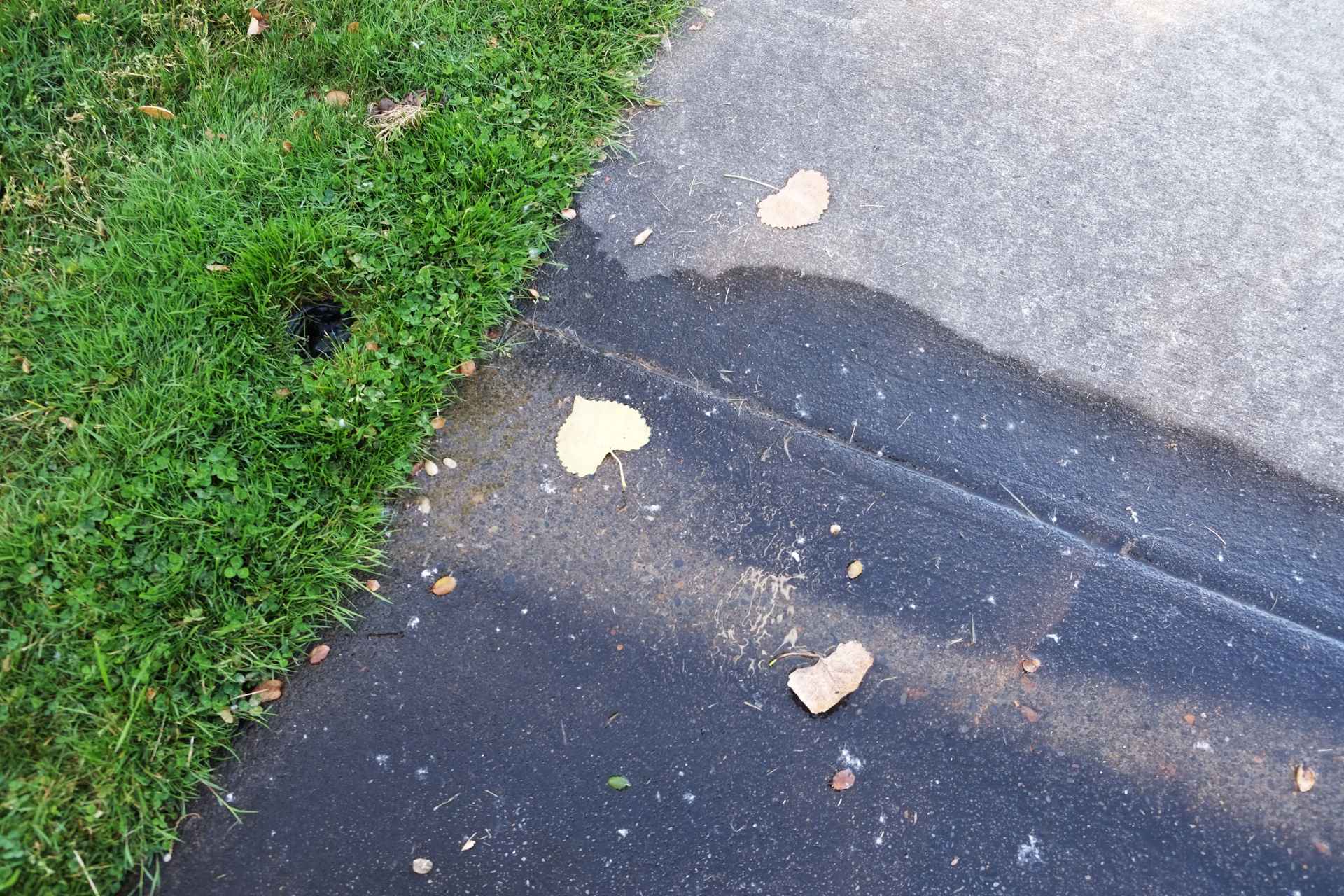
A homeowner told us they noticed a random yellow patch by the driveway after a tiny leak from a coolant hose. By the time the dog kept sniffing it, the spot had already spread. Fast cleanup would’ve saved them a weekend of patch-and-repair.
Winterizing without wrecking your yard
Let’s ditch the worry and do it right. Smart, simple, lawn-safe approaches:
-
Irrigation systems
- Best option: Blow-out with compressed air (done right, no antifreeze needed).
- If you must use RV antifreeze: Only in non-potable irrigation components and only per manufacturer guidance. Avoid lawn discharge.
-
Outdoor faucets and hose bibs
- Shut off interior valves and drain lines.
- Add insulated faucet covers; store hoses indoors and drain them thoroughly.
-
Vehicles and small engines
- Check for coolant leaks before cold snaps.
- Park on hard surfaces, not turf; use a drip pan if you suspect a leak.
- Keep absorbents (kitty litter) on hand for quick responses.
-
Storage and safety
- Keep all antifreeze in sealed, labeled containers within a secondary tray or bin.
- Don’t mix types or brands in a system without manufacturer approval.
Cleanup and disposal: the lawn-loving way
Here’s a simple, safer method that respects your grass and the watershed.
Step-by-step cleanup
- Absorb with kitty litter or oil-absorbent; press lightly.
- Scoop absorbent and a thin layer of soil; bag in a sealed container.
- Take to your local household hazardous waste facility.
- Top-dress the spot with compost; rake in and reseed.
- Water lightly over several days to encourage microbial recovery—after initial cleanup is complete.
Will the lawn bounce back?
Often, yes. Small spills respond well to compost and reseeding. If the patch doesn’t green up within 2–4 weeks (during growing season), remove another inch of soil, add fresh topsoil, and seed again. For winter spills, stabilize the area and reseed in spring.
FAQ lightning round
- Is antifreeze safe for my lawn if it’s just a few drops?
Not really. Tiny amounts are less damaging, but still unsafe for pets and soil life. Clean it up. - What if it rains right after a spill?
Assume it spread. Keep pets away, watch for runoff, and treat the area as contaminated. - Is propylene glycol (RV antifreeze) totally safe?
Safer, not harmless. Keep it out of soil, drains, and waterways. - Can I dilute antifreeze on the lawn with water?
No. Dilution spreads contamination. Absorb and remove first. - Will grass grow back after antifreeze?
Usually, with cleanup plus compost and reseeding. Persistent bare spots may need soil replacement.
The bottom line
Antifreeze and lawns don’t mix—period. If a spill happens, act fast, avoid water at first, and dispose of waste correctly. Choose smarter winterizing methods like blow-outs for irrigation and insulated faucet covers. And hey, if you want a plan that’s easy and worry-free, Turf Rain can help you winterize the right way. Contact Us—we’ll treat your yard like it’s ours.