
BLOG
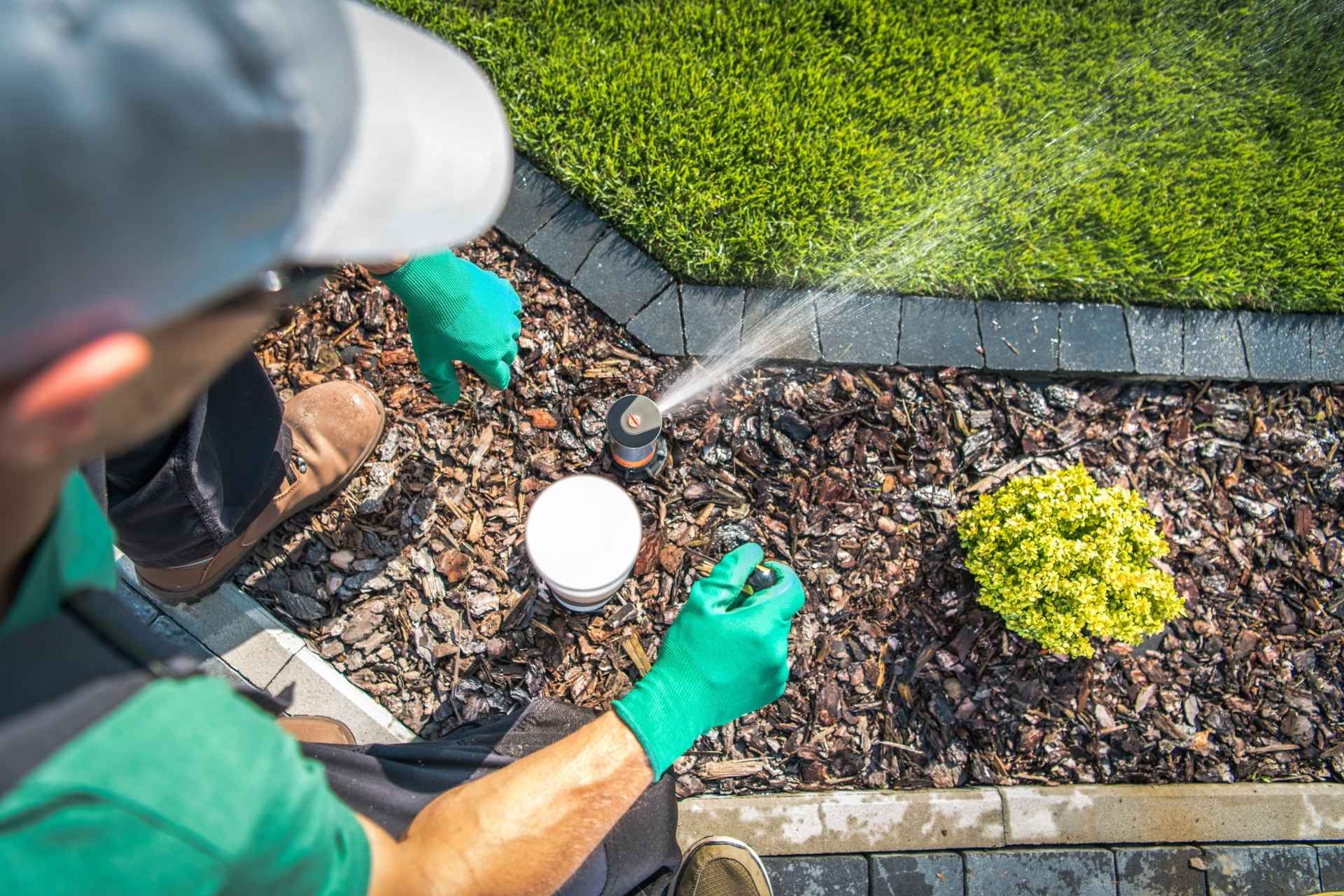
Schedule professional irrigation winterization 1–2 weeks before your area's first hard freeze (32°F/0°C for 4–6 hours). For most homeowners, that’s late October to mid‑November in cooler zones and late November to early December in milder regions. Book earlier if installers fill up; aim for soil temps near 50°F and leaves mostly down. What you’ll learn from this blog How to time sprinkler blowouts using frost dates and soil temps A quick readiness checklist to know you’re truly set Common timing mistakes (and the easy fixes) Region-by-region windows across the U.S. [...]
Compressed air wins for the winterization of lawn sprinklers—hands down. A controlled blowout clears water safely from irrigation lines, valves, and heads. Antifreeze (even RV-grade) isn’t needed for sprinkler systems and can cause plant or equipment issues. Save antifreeze for plumbing traps or outdoor water features that can’t be drained. For lawns: air, not antifreeze. What you’ll learn from this blog The safest, most effective method to winterize a sprinkler system When RV antifreeze is appropriate (and when it isn’t) Exact PSI and compressor tips for a DIY blowout Common [...]
Most homeowners spend 75–150 for winter irrigation maintenance (the sprinkler blowout and shut-down). Expect 10–15 per extra zone, with add-ons like backflow insulation or minor fixes bringing totals to 120–250. Larger or complex systems can hit 200–350. Pricing swings by region, access, and whether repairs are needed. Book early and you’ll often save with bundle discounts. What you’ll learn from this blog What’s included in winter irrigation maintenance (and what’s not) Real-world price ranges and per-zone pricing Factors that raise or lower the cost DIY vs pro: cost, risk, and [...]

Here are the most common winter irrigation maintenance mistakes: skipping a blowout or drain, leaving the controller on “Auto,” ignoring rain/freeze sensors, failing to shut off or protect the backflow, watering on hard-freeze nights, and neglecting mid-winter inspections. These slip-ups lead to burst pipes, wasted water, and a stressed, patchy lawn. What you’ll learn from this blog How to prevent frozen pipes and costly winter irrigation repairs The right way to set your controller for cold weather When (and how) to water your lawn in winter Quick checks for backflow [...]
To winterize your lawn irrigation system, shut off the water, drain valves and backflow, blow out lines with regulated compressed air, open and insulate exposed parts, and set your controller to winter mode. This prevents freeze damage, cracked heads, and costly spring repairs. Plan on a calm, dry day and follow safe pressure limits. What you’ll learn from this blog A fast, foolproof winterization checklist you can follow today Safe compressor settings and how to avoid damaging pipes and heads How to drain and protect your backflow preventer and valves [...]
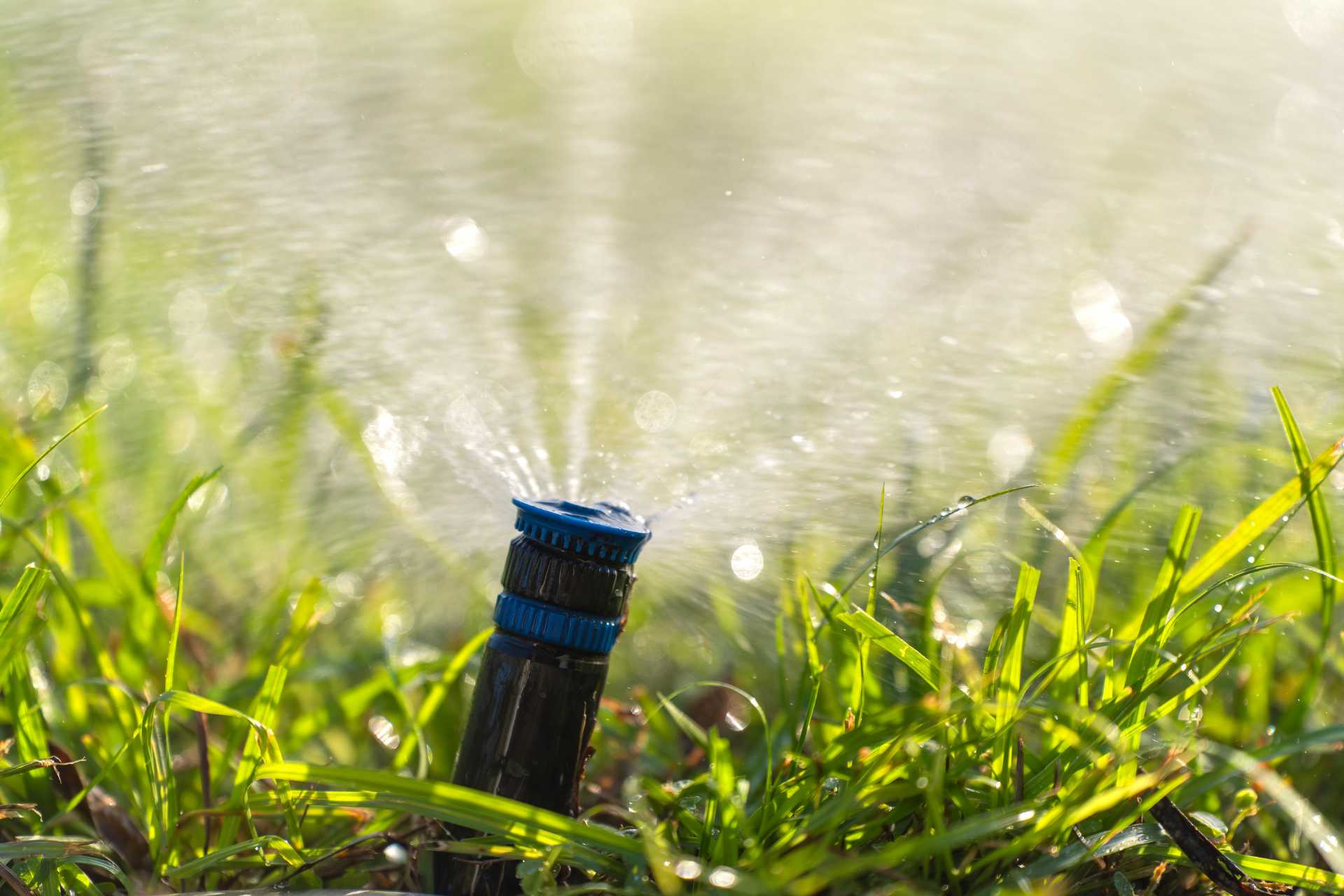
Homeowners most often make these mistakes when winterizing and spring-starting an irrigation system: not fully blowing out lines, using too much air pressure, ignoring the backflow, shutting valves incorrectly, waiting too long for first freeze, skipping zone checks, and turning water on too fast in spring. Fixing these saves pipes, heads, and water bills. What you’ll learn from this blog The biggest winterizing mistake and how to avoid cracked pipes Safe air pressure and timing for blowing out lines Backflow prevention tips that protect your water and your wallet When [...]