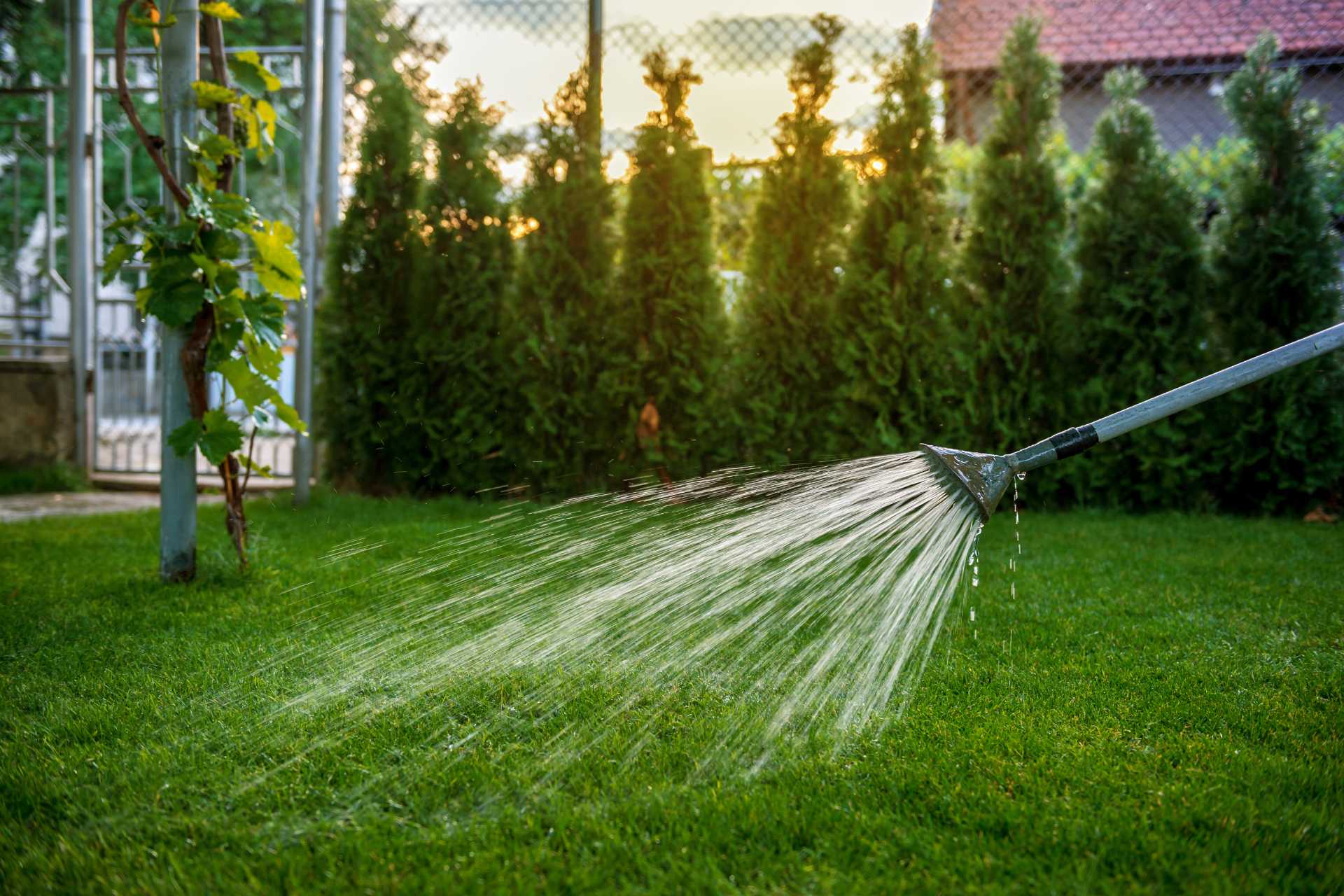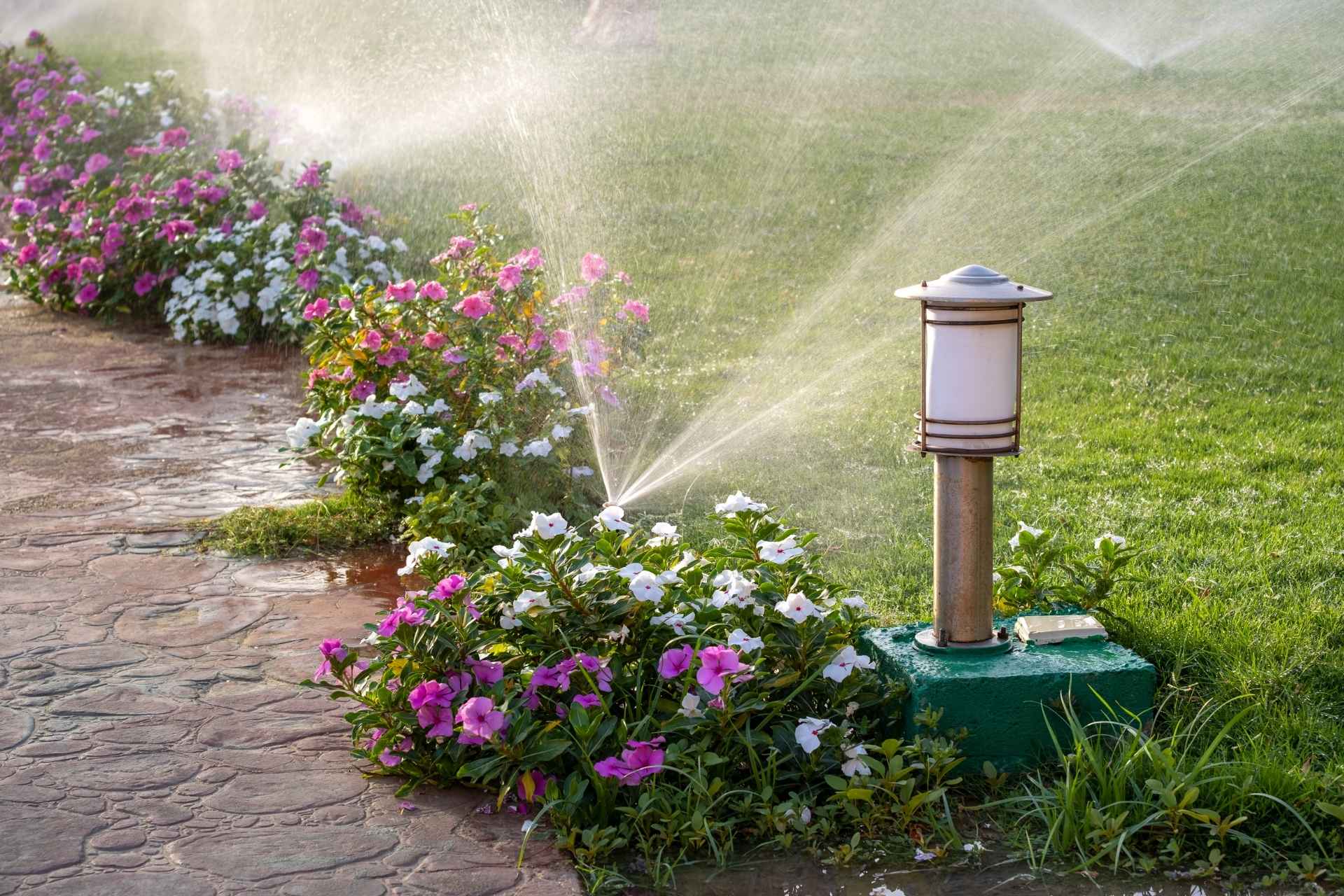
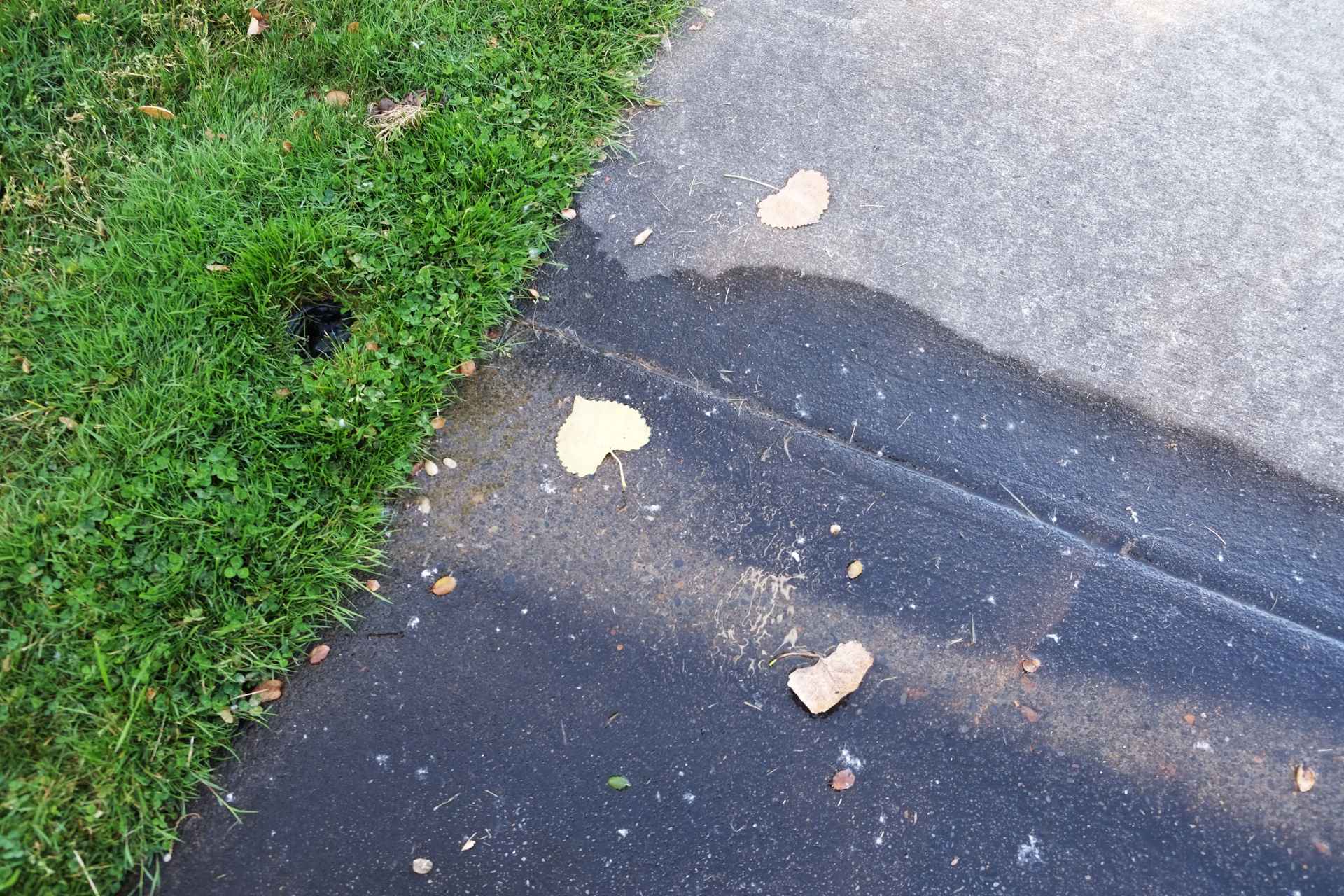
Maintaining a lush, vibrant lawn throughout the hot summer months requires a fully functional residential watering system. A reliable irrigation system automates daily lawn care, ensuring that turf grass, ornamental shrubs, and flower beds receive precise, consistent moisture without wasting water. However, because most of the system operates out of sight beneath your lawn, minor mechanical issues can quietly escalate into widespread turf damage or steep spikes in your water bill.
A property’s exterior infrastructure relies on sound underground engineering to function safely and efficiently. Just as homeowners planning a foundation expansion rely on structural basement underpinning to stabilize deep subsoil loads before excavating, a property’s watering setup relies on carefully buried supply lines, backflow preventers, and zone control valves to deliver pressurized water safely across your entire yard. When underground lines leak or zone valves fail, identifying the underlying mechanics allows you to fix the problem before your lawn suffers.
What You’ll Learn from This Blog:
- How to Spot Hidden System Failures: Identify common culprits behind watering issues, from clogged pop-up nozzles and stuck zone valves to underground line cracks.
- Step-by-Step Diagnostic Techniques: Learn how to isolate whether low water pressure or coverage drops stem from mechanical, electrical, or hydraulic causes.
- Simple DIY Repair Procedures: Walk through clear, practical fixes for replacing broken sprinkler heads, clearing valve diaphragms, and splicing damaged lateral pipes.
- Strategies for Maximum Efficiency: Understand how to calculate proper zone coverage, fix dry spots without wasting water, and know when to let professionals handle the problems.
Anatomy of an Underground Watering Setup
To diagnose problems effectively, it helps to understand how pressurized water moves through an underground watering network. A standard residential setup divides your property into distinct watering zones managed by a central electronic controller.
Water enters through your main municipal supply, passes through a backflow prevention device to protect drinking water, and travels to a central valve manifold box. The electronic controller sends low-voltage electrical signals to individual solenoids on each zone valve, opening them one at a time. Pressurized water then flows through lateral PVC or poly pipes out to pop-up heads equipped with spray nozzles. A failure at any single point along this chain disrupts water coverage across your yard.
Low Water Pressure: Causes and Solutions
Low water pressure is one of the most frustrating issues homeowners encounter. When water pressure drops, pop-up heads fail to rise fully, resulting in weak streams that drizzle around the base of the head rather than spraying across the lawn.
1. Main Shut-Off or Backflow Valve Partially Closed
If every zone across your entire lawn suddenly experiences low pressure, the issue usually sits near the main supply point. Check the main shut-off valve inside your utility room and the handles on your backflow preventer outside. If a handle was accidentally bumped or only partially opened after routine servicing, water flow becomes choked before reaching the manifold.
2. Underground Pipe Ruptures and Line Cracks
If low pressure is isolated to a single specific zone, an underground pipe break is a likely cause. Soil movement, tree root expansion, or accidental shovelling during garden projects can crack lateral lines. Look for unusually soggy patches of grass, bubbling soil, or small sinkholes along the pipe path while that zone runs. To fix a cracked line, turn off the water supply, dig up the saturated turf around the break, cut out the damaged pipe section, and splice in a new pipe coupling using rated fittings and PVC cement.
Sprinkler Head and Nozzle Failures
Pop-up sprinkler heads endure constant exposure to dirt, lawnmower blades, foot traffic, and mineral deposits. Because they contain delicate moving parts, individual head failures represent the majority of routine maintenance calls.
1. Clogged Nozzles and Internal Filters
Dirt and fine sand frequently enter spray nozzles from dirty irrigation water or small line breaks. When dirt blocks the internal filter screen, the head produces a weak spray or stops spraying entirely.
To fix a clogged head, unscrew the top nozzle cap while holding the pop-up stem up. Pull out the small plastic filter basket sitting beneath the nozzle, rinse it thoroughly under clean water to remove grit, and clear any debris from the nozzle opening with a soft brush before reassembling.
2. Broken Pop-Up Bodies and Cracks
Mower tires and heavy foot traffic can crack the plastic body of a sprinkler head below soil level. When the head pops up, water streams out from around the base rather than spraying through the nozzle. Replacing a damaged head is a straightforward DIY repair:
- Dig a small 8-inch ring of turf around the damaged head to expose the threaded connection below.
- Unscrew the cracked sprinkler body counter-clockwise from the underground swing joint.
- Screw a new, identical pop-up head onto the fitting until snug.
- Flush the line briefly to remove loose soil, install the nozzle, and pack the dirt firmly back around the head casing.
Zone Valve Problems and Electrical Glitches
Zone control valves act as gatekeepers for your watering network. Located inside a green valve box buried in the lawn, these valves use electrical solenoids to open and close water flow on command from your main controller.
1. Zone Fails to Turn On
When an entire zone refuses to activate automatically, the cause is typically electrical. Check the main controller terminals to ensure all zone wires remain securely connected. Use a multimeter to test the 24-volt AC signal at the controller and at the valve box. If the controller sends power but the valve remains closed, the electric solenoid on top of the valve has likely failed and requires a simple twist-off replacement.
2. Zone Refuses to Turn Off
If a zone continues running long after its scheduled cycle ends, or if water constantly drips from spray heads when the system is off, physical debris is trapped inside the valve. Small pebbles or sand grains can lodge underneath the internal rubber diaphragm, preventing the valve from seating shut completely. Turn off the main water supply, unscrew the top bonnet of the valve, carefully remove the internal spring and diaphragm, clean out any trapped sand, and reassemble the valve.
Evaluating Hydraulic Design and Coverage Efficiency
Sometimes every mechanical component functions perfectly, yet patches of grass still turn yellow and dry. This issue usually stems from poor initial system design or shifting landscape demands rather than broken parts.
Calculating the number of zones that your lawn needs depends on water supply flow rate (GPM), static water pressure (PSI), and the total square footage of your property. If an installer connects too many high-gallon spray heads to a single zone valve, available water pressure gets stretched too thin, preventing heads from reaching their full spray radius.
Furthermore, head-to-head coverage is essential for uniform turf health. Every sprinkler head should throw water far enough to reach the adjacent head. If heads are spaced too far apart or blocked by maturing shrubs, dry spots inevitably develop in sunny areas during midsummer heat.
Recognizing Warning Signs and Unbalanced Coverage
Catching mechanical glitches early prevents widespread turf damage and keeps monthly utility bills under control. Homeowners should perform a monthly visual inspection while each zone operates to spot subtle performance drops.
If your lawn still has dry spots even if you have a sprinkler system, do not simply increase the watering run time on your controller. Adding more minutes to a broken or misaligned system wastes thousands of gallons of water while leaving dry areas unwatered. Instead, audit the physical coverage: check for tilted heads that spray into fences, overgrown grass blocking pop-up stems, or mismatched nozzle sizes that throw water unevenly.
Taking time to perform a visual walk-through helps you spot clear signs that your sprinkler system needs immediate repair, such as sputtering spray patterns, water weeping out of valve box lids, or heads that stay stuck in the up position after watering ends.
When to Let the Professionals Handle It
While clearing a clogged nozzle or swapping out an exposed pop-up head is well within the reach of a weekend DIY project, certain irrigation breakdowns demand specialized commercial tools, diagnostic gear, and licensed expertise. Knowing when to hand off a repair to professional technicians saves time, prevents accidental property damage, and ensures compliance with local municipal codes.
- Backflow Preventer Testing and Certification: Most municipalities mandate annual testing of backflow assemblies to protect the community drinking supply from contamination. Certified technicians use calibrated pressure gauges to ensure internal check valves operate within strict legal tolerances.
- Complex Electrical Short Circuit Tracing: If multiple zones drop offline or your controller throws constant fault codes, the issue often stems from a severed underground wire bundle. Professional contractors use specialized wire locators and tone generators to pinpoint subterranean wire breaks without tearing up your lawn.
- Main Supply Line Leaks Beneath Hardscapes: When a main line ruptures under a paved driveway, concrete patio, or stone walkway, DIY repairs risk undermining structural foundations. Professionals utilize directional boring tools and heavy equipment to repair high-pressure lines safely.
- Comprehensive System Redesign: If your landscape has matured or expanded significantly, rebalancing static pressure, recalculating flow rates, and adding new zone valves require professional
Proactive Care Keeps Lawns Green
An underground watering network is a highly efficient asset when properly maintained, but it requires periodic attention to perform at its best. By understanding how water flows through your system, checking nozzles and zone valves regularly, and fixing leaks quickly, you protect your building envelope, conserve water, and maintain a vibrant, healthy lawn season after season.