Maintaining a beautiful, healthy residential property requires balancing structural home improvements with dedicated landscape preservation. Homeowners often prioritize visual home upgrades like exterior painting or modern window replacement to enhance energy efficiency and curb appeal. However, protecting your outdoor living space requires equal attention below the surface. Safeguarding your subterranean pipes and underground lawn hardware with a professionally managed irrigation system winterization plan protects your property from severe freeze damage.
As autumn transitions into winter, cold temperatures pose a direct threat to residential watering systems. Water left inside plastic pipes, rubber valves, and brass backflow preventers expands rapidly as it freezes. This expansion exerts thousands of pounds of hydrostatic pressure against internal components, cracking underground lines and shattering expensive valves. Booking a professional sprinkler blowout before the first hard freeze hits your region is the single most effective step you can take to preserve your landscape investment.
What Knowledge Will You Gain by Reading This Blog:
- The Physics of Freeze Damage: Understand how trapped water expands inside underground lines, destroying valves, manifolds, and backflow preventers.
- Equipment Capacity Gaps: Learn why standard household air compressors lack the airflow volume required to clear lines safely and why commercial-grade equipment is mandatory.
- The Professional Protocol: Discover the exact step-by-step winterization process certified irrigation technicians use to protect your lawn and watering infrastructure.
The Hidden Mechanics of Winter Freeze Damage
To understand why professional sprinkler blowouts are necessary, you must first examine what happens inside an underground watering system when seasonal temperatures drop below freezing.
Underground irrigation networks rely on high-density polyethylene (HDPE) or polyvinyl chloride (PVC) piping buried anywhere from 8 to 18 inches below the turf line. Throughout spring and summer, these lines remain continuously charged with water to supply rotor heads, spray bodies, and drip emitters. When outdoor temperatures drop, the surrounding soil begins to freeze, transferring icy cold temperatures down to the buried pipes.
Liquid water possesses a unique physical property: as it freezes into solid ice, its volume expands by approximately 9%. When water is trapped inside a sealed underground pipe or brass valve assembly, this expansion creates immense outward pressure.
Because the trapped ice has nowhere to move, the pressure forces PVC walls to crack longitudinally along the pipe length.
Even worse, water trapped inside the brass backflow preventer—the critical safety device that prevents contaminated lawn water from siphoning back into your home’s clean drinking supply—will split the heavy metal casting open. Replacing a shattered backflow preventer or excavating a torn-up lawn to fix subterranean pipe splits costs hundreds or thousands of dollars in emergency spring repairs.
Why DIY Blowout Attempts Fail and Damage Systems
Many well-intentioned homeowners attempt to winterize their watering systems using small portable shop air compressors. However, relying on consumer-grade garage equipment for sprinkler winterization is a dangerous mistake that frequently leads to catastrophic system failure.
Clearing an underground pipe network safely requires a high volume of air delivered at low pressure. Professional irrigation technicians measure air output in cubic feet per minute (CFM). Standard residential air compressors are designed for low-CFM tasks like inflating tires or powering pneumatic nail guns. They deliver high pressure (PSI) but very low air volume (CFM).
Attempting to clear a sprinkler zone with a small, low-CFM compressor forces the homeowner to crank up the pressure gauge to 100 PSI or higher just to move water out of the heads. This high-pressure, low-volume approach creates severe hazards:
- Friction Heat and Pipe Melting: Small compressors push scorching hot air through plastic lines at extreme pressures, literally melting or warping the internal walls of PVC pipes and synthetic valve diaphragms.
- Explosive Pipe Ruptures: Pushing excessive PSI into cold, brittle plastic pipes can cause the line to explode underground, creating flying plastic shards and severe line destruction.
- Incomplete Water Removal: Because a low-CFM compressor cannot generate enough sustained air volume to fill the entire pipe diameter, compressed air simply blows over the top of standing water pockets. Water remains trapped in low-lying pipe dips, where it freezes and ruptures the line mid-winter.
The Professional Advantage: Commercial Equipment and Certified Technique
Hiring a certified irrigation professional eliminates the structural risks associated with DIY attempts. Professional technicians bring specialized commercial equipment and extensive field experience to ensure your system is completely dry and fully protected.
Professional irrigation companies utilize massive, tow-behind commercial air compressors capable of delivering between 80 and 180 CFM of sustained airflow. Crucially, technicians regulate the air pressure down to a safe, controlled range—typically 50 PSI for flexible polyethylene pipe and 80 PSI for rigid PVC pipe.
This high volume of air fills the entire volume of the underground line simultaneously, creating a continuous wall of air that sweeps every drop of water out through the sprinkler heads without creating damaging heat or excessive pressure spikes.
Furthermore, certified technicians follow a strict protocol designed to protect sensitive equipment:
- Backflow Isolation: Technicians isolate and bypass the main backflow preventer assembly before connecting air lines, protecting sensitive internal rubber gaskets and brass check valves from damage.
- Zone-by-Zone Purging: Technicians activate one zone at a time starting from the highest or furthest station, running compressed air through each circuit until only a fine mist—and then pure air—exits the heads.
- Main Valve Draining: Professionals manually open drain cocks and bleed valves on the main shut-off assembly, ensuring no water remains trapped near the foundation wall.
Understanding these technical details helps homeowners recognize when it’s time to winterize your sprinkler system before freezing weather sets in.
Complementary Lawn Care: Pairing Winterization with Fall Fertilization
Taking a holistic approach to autumn property care ensures your entire yard emerges vibrant, green, and healthy when spring arrives.
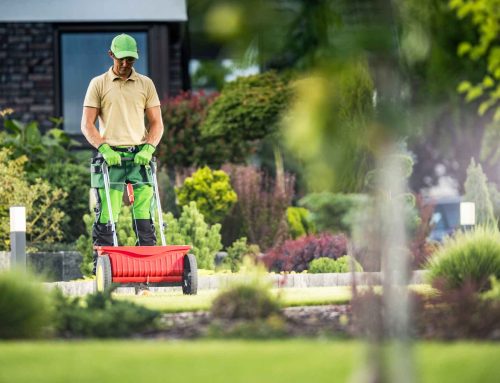
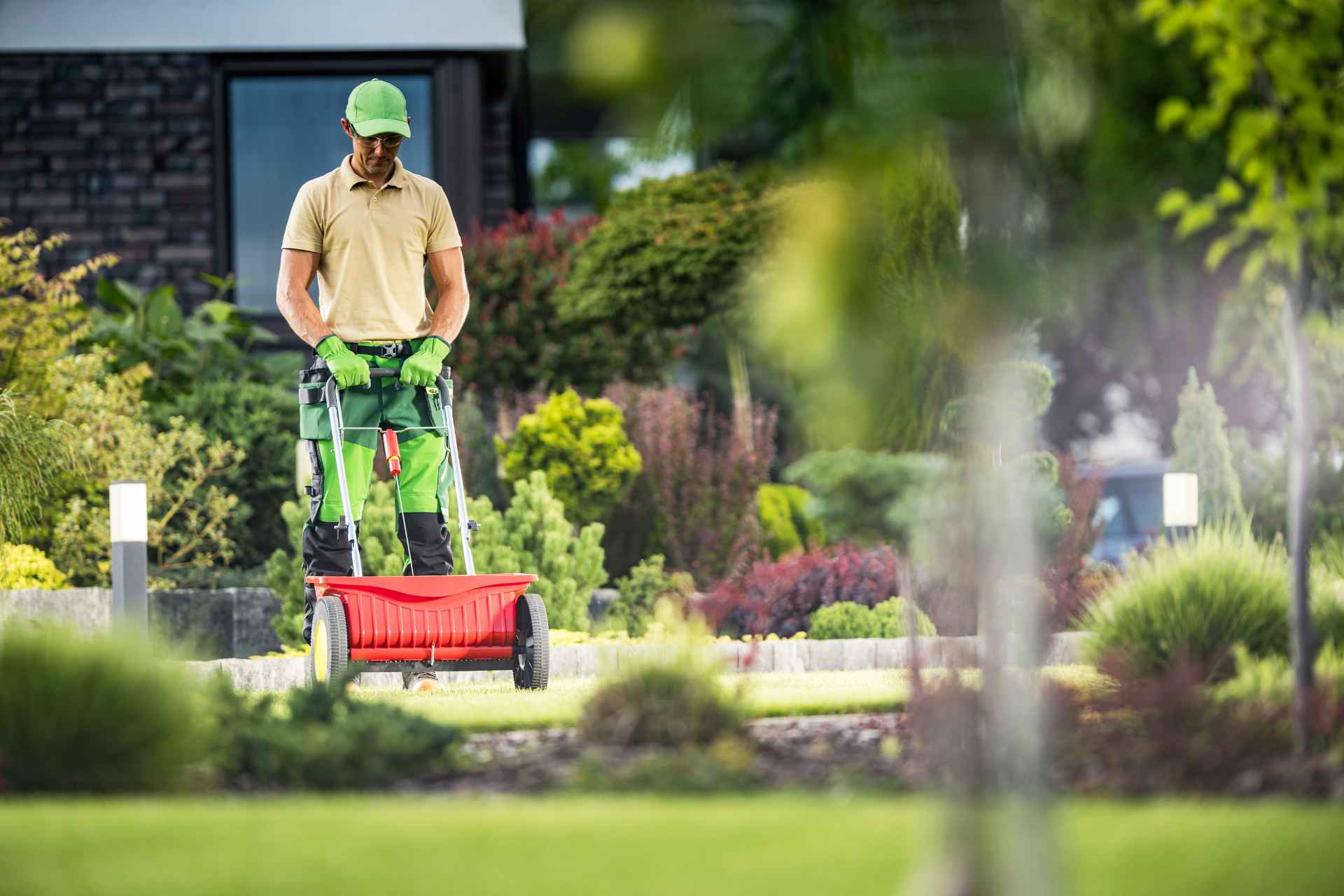
While technicians prepare your subterranean pipes for freezing weather, managing your turfgrass health above ground is equally important. Applying a specialized fall fertilizer high in potassium and phosphorus strengthens grass root structures before the soil freezes solid.
Recognizing that fall fertilization and system winterization are both important to protect your lawn allows homeowners to coordinate seasonal maintenance schedules effectively. Applying root-building nutrients in late autumn encourages turfgrass to store essential carbohydrates through the cold months, promoting rapid green-up and drought resistance when watering resumes in spring.
Additionally, selecting the best grass varieties for smart irrigation ensures your lawn uses water efficiently throughout the summer months, reducing overall stress on your watering equipment and lowering monthly utility bills.
Protecting Your Investment with Timely Professional Care
Your home’s automatic watering system represents a significant financial investment designed to maintain turf health and property values. Attempting to shortcut seasonal maintenance with improper DIY techniques or skipping winterization entirely leaves your system exposed to expensive structural damage.
Scheduling a professional sprinkler blowout every autumn provides total peace of mind. Trained technicians utilize commercial-grade high-volume air equipment, safe pressure controls, and systematic purging protocols to clear every underground line, valve, and head completely.
By pairing professional winterization services with proactive autumn turf management, you safeguard your underground infrastructure, protect your property’s curb appeal, and guarantee a seamless, hassle-free startup when warm weather returns.