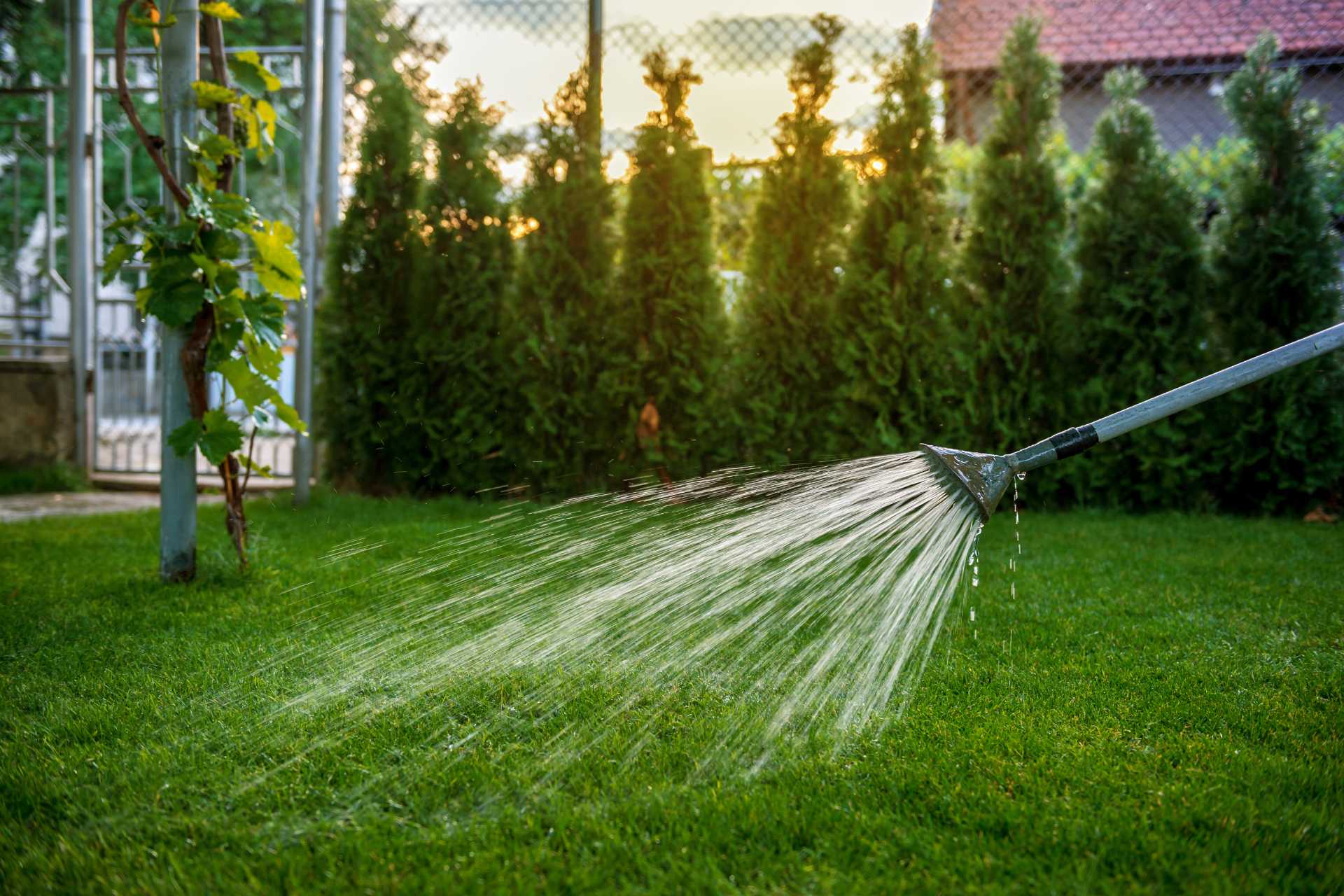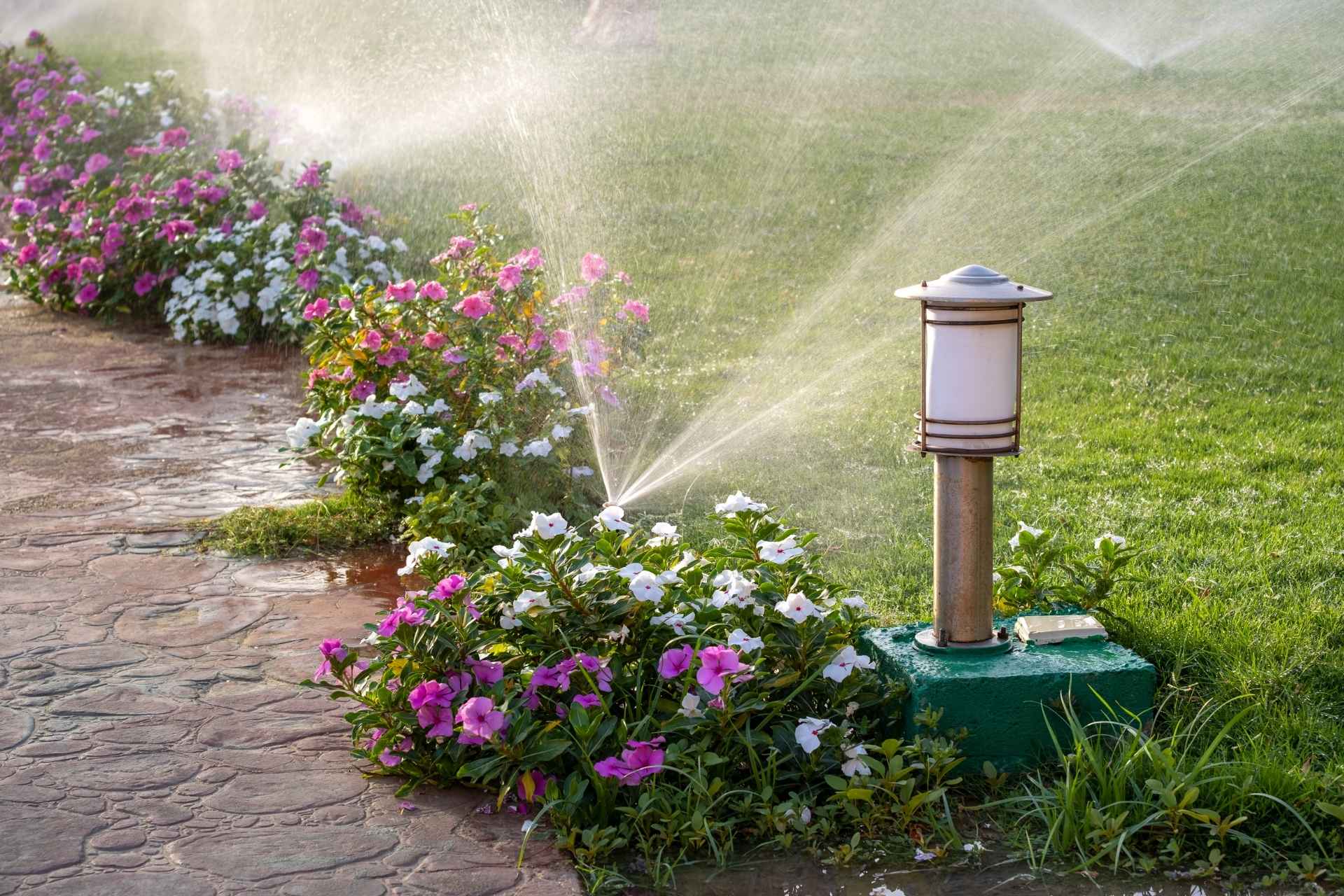

Here are the most common winter irrigation maintenance mistakes: skipping a blowout or drain, leaving the controller on “Auto,” ignoring rain/freeze sensors, failing to shut off or protect the backflow, watering on hard-freeze nights, and neglecting mid-winter inspections. These slip-ups lead to burst pipes, wasted water, and a stressed, patchy lawn.
What you’ll learn from this blog
- How to prevent frozen pipes and costly winter irrigation repairs
- The right way to set your controller for cold weather
- When (and how) to water your lawn in winter
- Quick checks for backflow preventers, sensors, and leaks
- A 10-minute monthly winter checklist you can actually stick to

Stop the burst: The big three mistakes that cost the most
Summary: Most winter irrigation disasters come down to three simple things—no blowout or drain, water left on at the shutoff or backflow, and controllers left running.
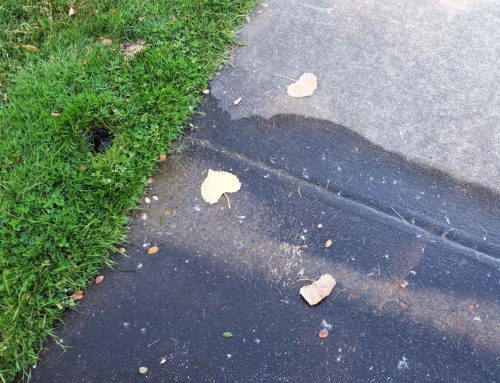
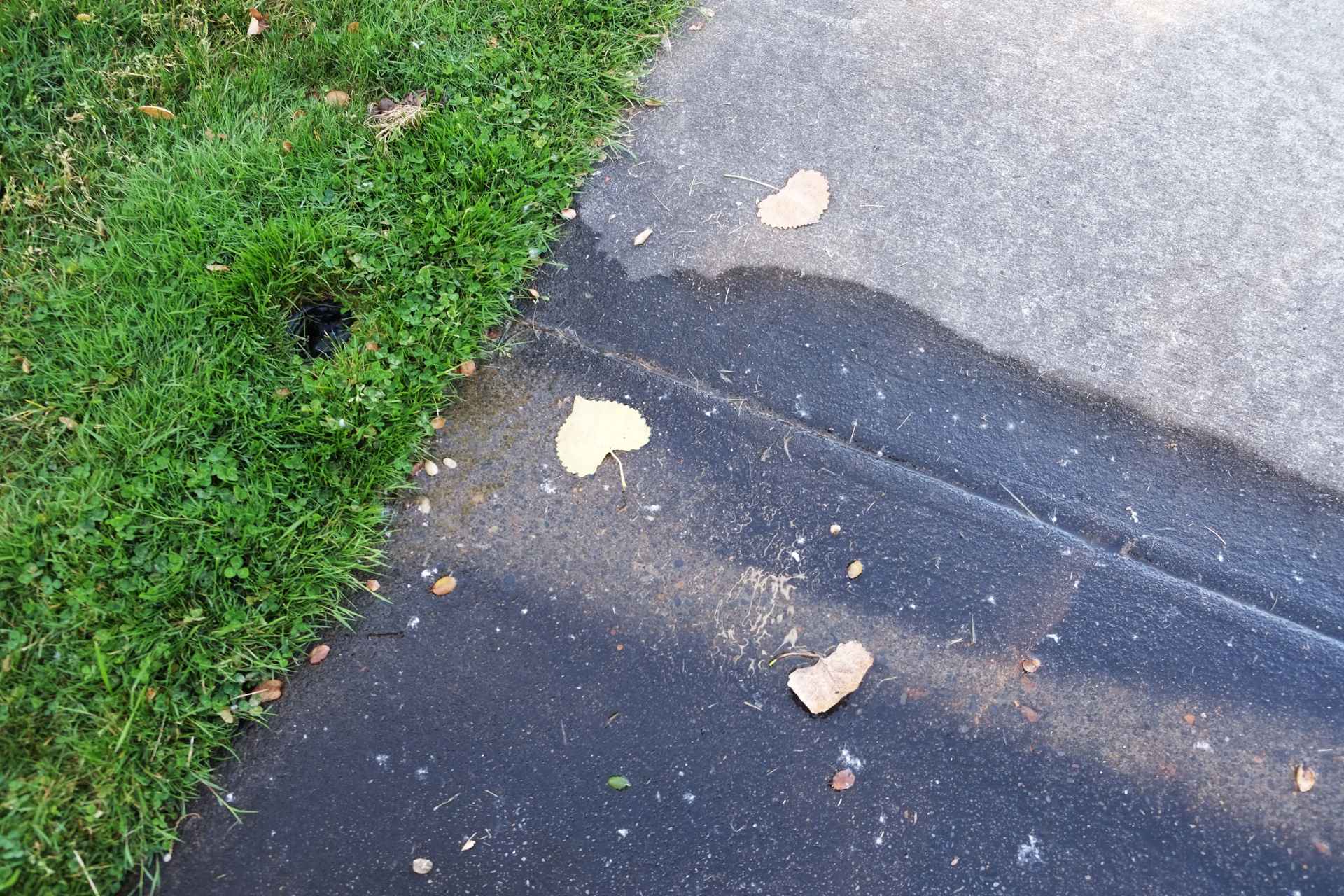
Details: Picture this: first hard freeze of the season, and you hear a faint hiss by the driveway. A tiny split in a lateral line becomes a soggy crater by morning. It almost always traces back to trapped water. If you don’t fully drain or blow out your lines, expansion has nowhere to go except through plastic and PVC.
What to do instead:
- Drain or blow out lines before your first freeze (compressed air at low PSI if you DIY, or hire a pro).
- Shut off the irrigation supply and open test cocks on the backflow to relieve pressure.
- Flip the controller to Off or Rain Mode so no surprise cycles run overnight.
Your controller isn’t on winter break (set it smart, not forget it)
Summary: Leaving the controller on “Auto” is the sneakiest winter irrigation maintenance mistake. One accidental cycle on a 25°F night can turn your sidewalk into an ice rink.
Details: Most modern controllers have Rain or Standby Mode—use it. If warm spells call for a light watering, run a short, manual cycle during midday only. Have a smart controller? Nudge seasonal adjust to 0% or use a “winter” program that’s off by default.
Quick setup steps:
- Turn main program to Off or Rain/Standby Mode.
- Enable freeze-skip and rain-skip (in app or on device).
- If a mid-winter watering is needed, run Manual for 5–8 minutes per zone at midday.
- Revisit programs after any power outage—defaults can revert settings.
Rain and freeze sensors: tiny devices, huge savings
Summary: Ignoring sensors is like driving without a fuel gauge. You’ll be fine—until you’re not.
Details: A 30–60 rain or rain/freeze sensor pays for itself the first time it prevents a midnight irrigation cycle before a cold front. I’ve seen a single freeze-skip save a HOA from a liability nightmare when a sidewalk iced over. Check that your sensor is clean, not shaded by gutters, and wired or paired correctly.
Pro tips:
- Test monthly: trigger the sensor and confirm the controller shows “Rain/Freeze Hold.”
- Replace old cork-based sensors every few years; digital or wireless units are more reliable.
- In smart controllers, confirm “weather station” accuracy for your address, not the nearest airport 20 miles away.
Backflow and valve boxes: protect the heart of your system
Summary: The backflow preventer is your system’s heart valve. If it cracks, you’re looking at an expensive, not-fun replacement.
Details: Uninsulated backflows and open valve boxes are magnets for freeze damage. A simple insulated cover and foam tape on exposed copper or brass can be the difference between a calm morning and a geyser in your front yard.
Do this now:
- Insulate exposed pipes and the backflow with a weatherproof cover.
- Open test cocks slightly after shutoff to relieve trapped water.
- Keep valve boxes clear of standing water, leaves, and critters. A wet box in a freeze is bad news.
- Listen for a faint hiss at the backflow—often a sign of a slow leak that worsens in cold snaps.
Do I need to water my lawn in winter? The myth-busting answer
Summary: Sometimes yes—just not like summer. Overwatering is just as harmful as underwatering when the soil is cold.
Details: Cool-season lawns (fescue, rye, bluegrass) can dry out in windy, sunny winter weather. Warm-season lawns (Bermuda, zoysia, St. Augustine) mostly nap, but still benefit from occasional moisture during extended dry spells to protect roots and soil microbes.
A simple once-a-month, 10-minute check:
- Push a screwdriver into the soil. If it won’t go 3–4 inches, water lightly.
- Pick a warm midday (above 40–45°F), no freeze within 24 hours.
- Run 5–8 minutes per rotor zone, 3–5 minutes per spray zone.
- Skip entirely if rain is forecast or the soil is already moist.
Your winter-ready mini checklist (print-worthy)
- Shut off irrigation supply; relieve pressure at the backflow.
- Drain/blow out lines, especially low spots and drip runs.
- Set controller to Off/Rain Mode; enable freeze and rain skips.
- Test rain/freeze sensor and clean debris around it.
- Insulate exposed pipes and the backflow assembly.
- Walk the yard after the first freeze to spot leaks or broken heads.
- Schedule a spring start-up inspection before your neighbors all call at once.
Conclusion and friendly nudge
Winter irrigation doesn’t have to be stressful. Avoid the big mistakes—no draining, bad controller settings, ignored sensors—and your lawn will roll into spring without drama. If you want a quick, expert tune-up or a sanity check on your setup, Check Out Turf Rain. We’ll button things up now so you can coast till green-up.