
To check for leaks after winterization, restore water slowly, watch your meter’s leak indicator, then test each sprinkler zone for hissing, soggy spots, or low pressure. Inspect the backflow preventer and valve boxes for drips or bubbles (use soapy water). Compare before/after meter readings. If the meter moves with everything off, you’ve got a leak.
What you’ll learn from this blog
- A 10-minute checklist to spot irrigation leaks fast
- How to use your water meter as a leak detector
- The right way to open the system after winter
- Signs of hidden leaks in sprinklers, valve boxes, and drip lines
- Simple DIY tests vs. when to Contact Us at Turf Rain

Start with the water meter—your fastest truth-teller
Think of your water meter as a heartbeat monitor for your home’s water. Before opening the system, note the reading. After turning the main valve on, look at the small leak indicator (often a triangle or star). If it spins when everything is off, something’s sipping water where it shouldn’t.
Quick meter test steps:
- Shut off all indoor water use (dishwasher, ice maker, etc.).
- Note the meter reading or take a photo.
- Open the irrigation main valve slowly (quarter turn at a time).
- If the leak indicator spins with the controller off, isolate the irrigation by closing its shutoff. If the spin stops, the leak is in your sprinkler system.
Open gently: backflow and main valve pass the vibe check
After winter, fittings can be tender. Open the irrigation shutoff slowly to avoid pressure shock. Check the backflow preventer (that brass “goalie” near your foundation) for drips at the seams, test cocks, and unions.
A quick personal tip: I keep a dry paper towel in my pocket. Press it around joints—if it gets damp, you’ve found a suspect. A faint hiss? Another red flag. If the backflow body split from freezing, you’ll often see a hairline crack with a slow weep.
Run zones like a detective: eyes, ears, and yes, your shoes
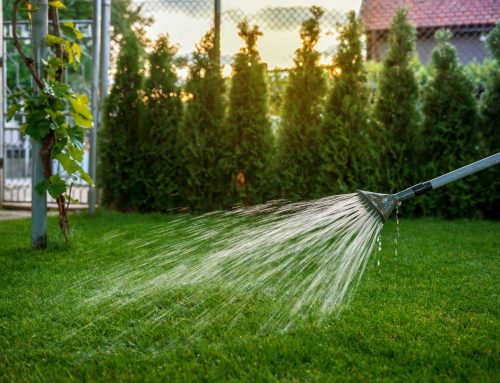
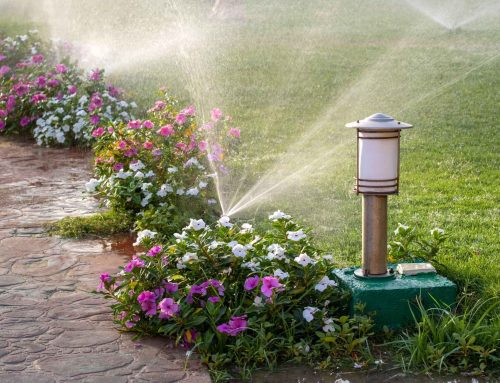
Now run each zone for 2–3 minutes. Stand where you can see and hear everything. It’s amazing what the lawn tells you when you pause and listen.
What to watch for:
- Low pressure or “spitting” heads in one zone often point to a lateral line leak.
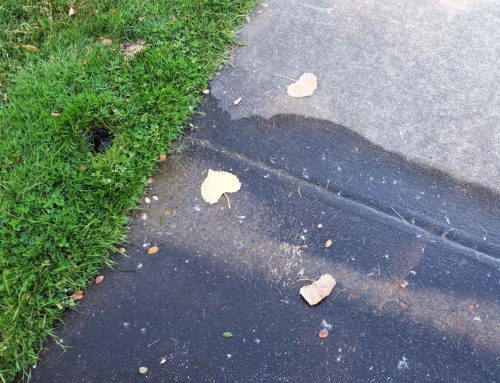
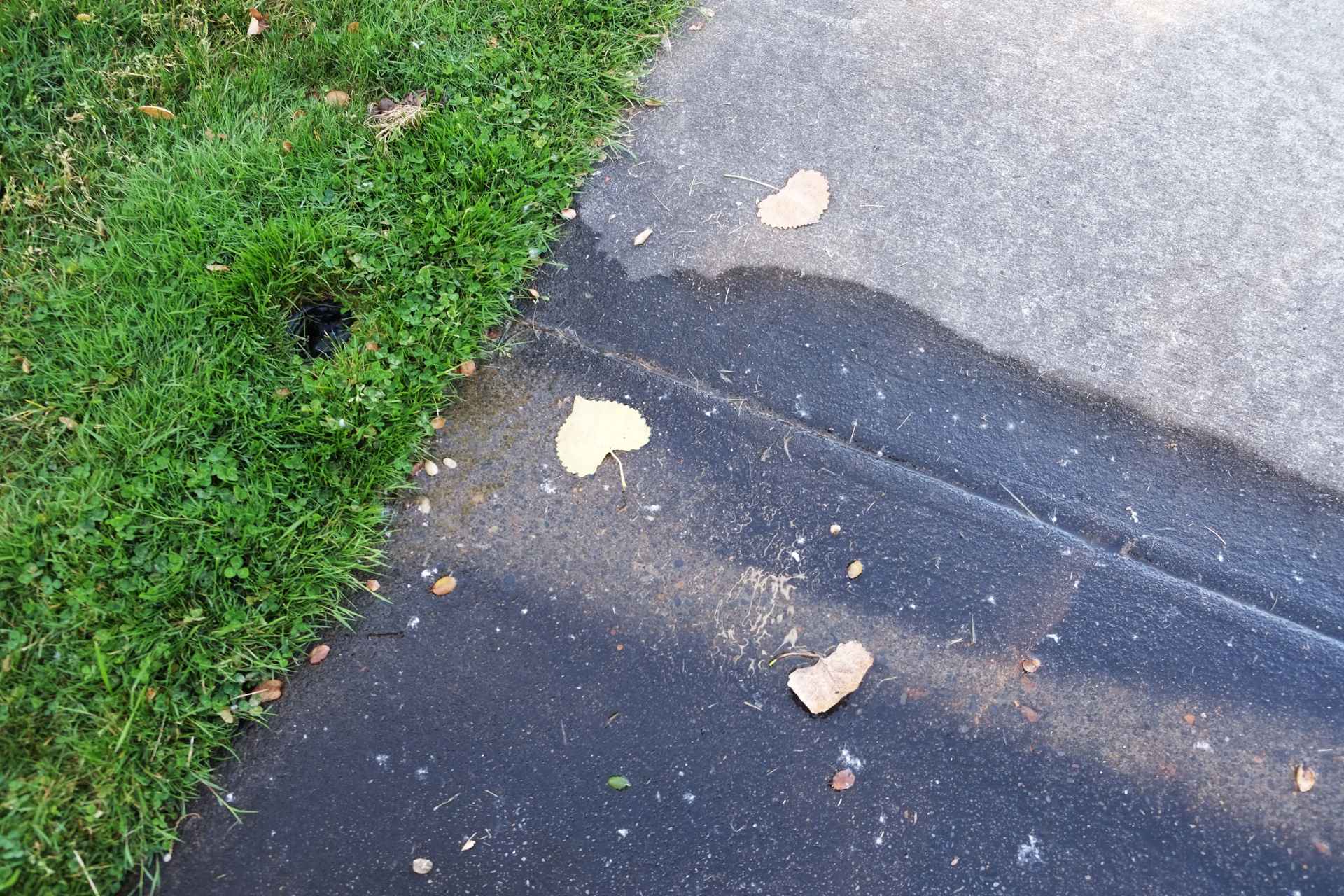
- Soggy patches or squishy walkways suggest an underground break.
- A flooded valve box means a leaky union, solenoid, or cracked manifold.
- For drip lines, look for unusual pooling or a constant pinhole spray.
A neighbor once told me, “The mushrooms ratted my leak out.” True story. A sudden cluster near a line can mean a slow, steady leak below.
The 10‑minute sprinkler leak checklist
- Turn water on slowly; listen for hissing at the backflow.
- Check the meter’s leak indicator before/after.
- Open each valve box; feel for damp soil or running water.
- Run zones one by one; note any weak spray or puddles.
- Inspect heads: cracked caps, broken risers, tilted heads.
- Walk drip zones; look for misting, splits, or chewed tubing.
- Spray soapy water on threaded joints—bubbles mean a tiny leak.
- Take a final meter reading; compare to your starting photo.
Tiny tests, big clues: easy DIY you can do today
Soapy water test: Mix a drop of dish soap in a spray bottle. Spray unions, test cocks, and threaded fittings. Bubbles = leak.
Paper towel test: Wipe fittings, solenoids, and unions. Any dampness shows instantly.
Pressure peek: If you have a hose‑bib pressure gauge, check static pressure at a spigot near the irrigation tie‑in. A big pressure drop while zones are off can hint at a hidden leak.
Dye trick (indoors, if needed): If you suspect a toilet leak instead of irrigation, add food coloring to the tank. If color appears in the bowl unflushed, it’s not your sprinklers. Good to rule out while you meter-test.
DIY fixes vs. “call Turfrain now” moments
Fix it yourself:
- A single cracked sprinkler head or nozzle
- Loose union you can re‑seal with thread tape and care
- Minor drip at a valve box fitting you can snug gently
Call Turf Rain when:
- The meter spins with the controller off and you can’t isolate the zone
- The backflow preventer is cracked or loudly hissing
- A valve box stays flooded or you see constant bubbling in soil
- You notice unusually high water bills or low pressure across multiple zones
- You’d rather not dig—our leak-locate gear saves lawns and time
Conclusion: A calm start-up beats a soggy lawn
You don’t need special tools to check for leaks after winterization—just a slow open, a meter glance, and a curious walk around the yard. If something feels off, trust your eyes and ears. And if you want a friendly pro to confirm things, Turfrain can pressure-test, isolate, and fix leaks without the guesswork. Contact Us and we’ll get your sprinklers humming again.